Introduction
Woven geotextile fabric is a critical component in modern agricultural construction, offering superior strength, stabilization, and erosion control. Proper installation is essential to maximize its lifespan and effectiveness in applications such as access roads, drainage systems, paddocks, and under heavy-use areas. This guide outlines the key steps for a successful woven geotextile installation on a farm.
1. Planning and Site Preparation
Objective Definition: Clearly define the project's purpose (e.g., creating a stable access road, controlling mud in a high-traffic area, reinforcing a drainage ditch).
Material Selection: Choose the appropriate weight and strength of woven geotextile. For heavy-duty applications like roads or livestock holding areas, a fabric with a higher grab tensile strength and puncture resistance is required.
Site Clearing: Remove all vegetation, rocks, roots, and debris from the area. The subgrade must be as smooth and level as possible. For high-stress areas, minor excavation and compaction of the subsoil may be necessary to create a firm, stable base.
2. Installation Process
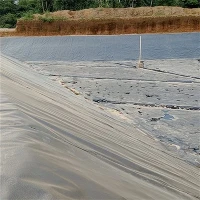
Unrolling the Fabric: Unroll the geotextile fabric directly onto the prepared subgrade. Avoid dragging the material, as this can cause tears or punctures.
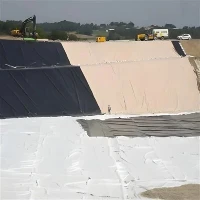
Orientation and Overlap: Place the fabric with the stronger direction (if applicable) running perpendicular to the expected primary stress (e.g., across a road rather than along it). Adjacent rolls must be overlapped sufficiently.
Standard Overlap: Typically 300-450 mm (12-18 inches) for standard applications.
Critical Areas: In high-stress or water flow areas, increase the overlap or consider sewing or stapling the seams together to prevent separation.
Cutting and Shaping: Cut the fabric to fit around obstacles or curves using a sharp knife or utility blade. Ensure full coverage of the intended area.
3. Anchoring and Securing
Initial Anchoring: Temporarily secure the edges and overlaps with landscape staples ("geotextile pins") or heavy stones to prevent displacement by wind or during the subsequent covering process.
Final Anchoring: The fabric will be permanently anchored and tensioned by the overlying material (e.g., gravel, sand, stone).
4. Placing the Overlying Material
Spreading Fill Material: Carefully place the chosen aggregate (e.g., gravel, sand) directly on top of the geotextile. The fabric's primary function is to separate the subsoil from the aggregate, preventing mixing and maintaining structural integrity.
Equipment Operation: Use machinery with caution. When spreading aggregate, avoid turning tracked or wheeled vehicles sharply directly on the exposed fabric, as this can rip or bunch it. Dump loads from a low height and spread them outwards.
5. Final Compaction and Completion
Compact the overlying aggregate layer according to standard road or pad construction practices. The woven geotextile will distribute loads evenly, enhancing compaction and stability.
Once the aggregate is fully placed and compacted, the installation is complete. The geotextile will now function as a separation, stabilization, and reinforcement layer.
Key Advantages on the Farm:
Mud Control: Creates stable, mud-free surfaces in animal walkways, feeding areas, and around gates.
Road Stabilization: Extends the life of farm access roads by preventing gravel from sinking into soft subsoil.
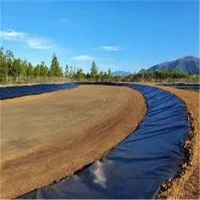
Erosion Control: Stabilizes slopes and drainage channels to prevent soil loss from water runoff.
Weed Suppression: Acts as a physical barrier, inhibiting weed growth in certain applications.
Important Considerations:
UV Degradation: Woven geotextiles are susceptible to UV damage. They should be covered as soon as possible after installation-typically within 14-30 days, depending on the manufacturer's specifications.
Professional Consultation: For large-scale or critical projects, consult with a civil engineer or geotextile specialist to ensure the correct product and installation method are selected.
By following these steps, farmers can ensure a robust and long-lasting installation of woven geotextile fabric, significantly improving the functionality and durability of key areas on the farm.