

Geomembrane
With more than 18 years of industry experience, we take professionalism, innovation and excellent quality as our creed, and are committed to providing customers with excellent geomembranes, geotextiles and other geosynthetic materials products. Through advanced production technology, rich experience and unremitting innovation, we provide the best geotechnical material solutions for engineering and construction projects in various industries around the world.
Advanced Materials
We manufacture custom geomembrane liners made from reinforced polyethylene (RPE), reinforced polypropylene (RPP) and low density polyethylene (LDPE). Our RPE and RPP liners are stronger, provide better puncture and tear resistance, are lighter weight and have excellent UV resistance when exposed to sunlight.
Reliable Quality Control
The company has established a national-standard laboratory for in-house quality control. We built a strict quality control system in all aspects from raw materials testing,production processes to final product quality testing.
Professional Experience
We has more than 18 years experience of geotextiles production in geosynthetic products, including geomembrane, geotextile, HDPE geomembrane, geocell, 3D geomat and etc. We provide complete geosynthetic solutions for ground stabilization, reinforcement and drainage, erosion control, bank and slope protection.
Complete Qualifications
Our factory is certificated by ISO9001, ISO14001, and OHSAS18001. All geomembranes have passed the certificates of the TUV, Soncap, SASO, BV and the test of SGS and Intertek etc.
-
 RAS System Geomembrane Tank LinerHDPE geomembrane liners are the engineering foundation of modern recirculating aquaculture systems (RAS). Made from premium high-density polyethylene, they provide a completely impermeable,Add to Inquiry
 -
 Cobalt Ore GeomembraneCobalt-based high-density polyethylene geomembrane is designed not just as a liner but as a high-performance, long-term engineering solution. This is no ordinary geomembrane; it's a special,Add to Inquiry
 -
 Geomembranes For Tilapia PondsFor tilapia farming, although the initial investment of using geomembrane to build ponds is high, it can effectively prevent seepage, facilitate pollution cleaning, and especially fundamentallyAdd to Inquiry
 -
 Greywater Systems With GeomembraneUsing geomembranes in greywater systems is a common and highly effective practice, crucial for environmental protection and water reuse. Providing a primary barrier to prevent uncontrolled seepageAdd to Inquiry
 -
 Liner For Spirulina TankUsing geomembranes as linings for spirulina ponds is a very effective and increasingly popular option, especially for medium- to large-scale farms.Add to Inquiry
 -
 Coal Ash Barrier GeomembraneCoal ash barrier geomembrane is a specially designed impermeable liner designed to retain coal combustion residual (CCR), commonly known as coal ash. A byproduct of coal-fired power plants, coal ashAdd to Inquiry
 -
 Hydropower Project GeomembraneGeomembranes have been used in dams since 1959 and their use in hydropower structures continues to grow. Geomembranes have been used, exposed, and covered, for rehabilitation and new construction.Add to Inquiry
 -
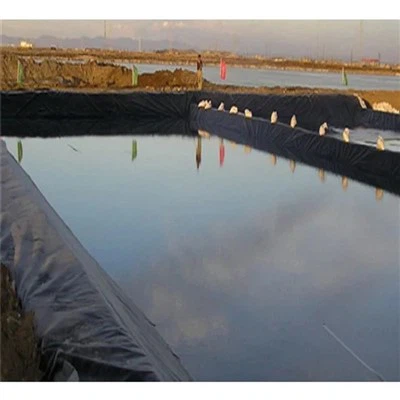 Photo-oxidation Of HDPE GeomembraneUV radiation is the primary aging threat to HDPE geomembranes in open-air projects (such as landfill caps and exposed reservoirs). Its essence is a light-induced oxidation chain reaction that causesAdd to Inquiry
 -
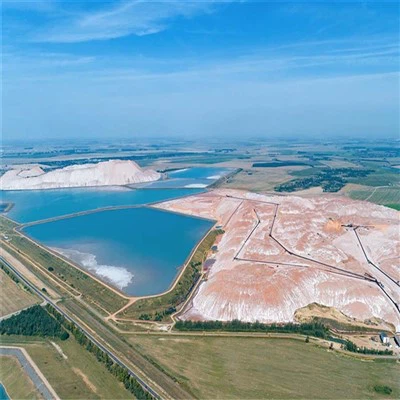 Chemical Erosion On GeomembraneThe impact of chemical erosion on HDPE geomembranes is mainly reflected in three core mechanisms: oxidative degradation, environmental stress cracking, and increased permeability caused by swelling.Add to Inquiry
 -
 Different Thicknesses Of GeomembranesThe thickness of geomembranes is one of their key performance indicators, usually ranging from 0.5 mm (20 mil) to 3.0 mm (120 mil) or even thicker. The choice of thickness is not random, but needs toAdd to Inquiry
 -
 Capping GeomembraneGeomembrane is a high-density, low-permeability synthetic polymer designed specifically to act as an artificial barrier over objects or areas that need to be isolated, contained or sealed.Add to Inquiry
 -
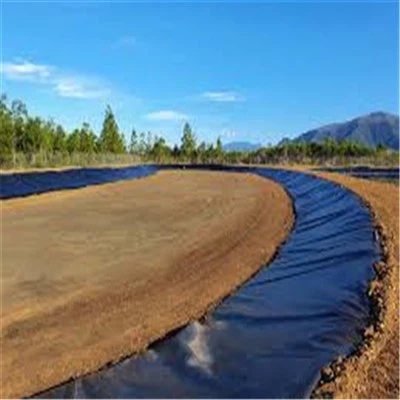 Durable Excellent HDPE GeomembraneGeomembranes represent the pinnacle of engineered impermeable barriers, engineered to provide superior long-term containment and environmental protection for the world’s most critical infrastructureAdd to Inquiry


A geomembrane is very low permeability synthetic membrane liner or barrier used with any geotechnical engineering related material so as to control fluid (liquid or gas) migration in a human-made project, structure, or system. Geomembranes are made from relatively thin continuous polymeric sheets, but they can also be made from the impregnation of geotextiles with asphalt, elastomer or polymer sprays, or as multilayered bitumen geocomposites. Continuous polymer sheet geomembranes are, by far, the most common.
Chemical Resistance
Geomembranes are resistant to most chemicals and acids, making them suitable for use in containment applications.
Weldability
Geomembranes can be easily welded together, which makes it possible to create large, seamless covers and liners.
UV Resistance
Geomembranes can be formulated to withstand UV radiation, which helps them maintain their physical properties and integrity over time.
Permeability
Geomembranes are highly impermeable, which prevents the movement of liquids and gases. This is a critical property for applications where liquids containment, such as landfills, is essential.
Durability
Geomembranes are strong and durable and can withstand the weight of soil and other materials, as well as repeated bending and puncturing.


Thermal Stability and Resistance
Geomembranes have high thermal stability, making them suitable for use in hot environments, such as power plants. Their high operating temperature range also allows them to be used in environments with frequent fluctuations in ambient temperature.
Flexibility
Geomembranes possess good flexibility, which allows them to conform to the contours of the ground and other surfaces, making them easy to install. They also respond well to environmental strains, such as differential settlement.
Lightweight
Geomembranes have lightweight, making them easy to handle and transport.
Ease of Repairing
When a puncture or tear occurs, geomembranes can be simply repaired using welding techniques, minimizing downtime and reducing costs.
Environmentally Friendly
Geomembranes are made of non-toxic materials, making them environmentally friendly and safe for use in sensitive areas.
Types of Geomembrance
PVC (Polyvinyl Chloride) geomembranes is a thermoplastic waterproofing material made with vinyl, plasticizers, and stabilizers. When ethylene dichloride is cracked into a dichloride, the result is then polymerized to make the polyvinyl chloride resin used for PVC geomembranes. PVC geomembrane is tear, abrasion, and puncture-resistant, making them suitable for constructing canals, landfills, soil remediation, wastewater lagoon liners, and tank linings. The material is also perfect for maintaining potable drinking water and preventing contaminants from entering water sources.
A TRP (Reinforced Polyethylene) geomembrane uses polyethylene fabric for long-term water containment and industrial waste applications. TRP geomembranes are an ideal choice for soil remediation, landfills, canals, lining temporary retaining ponds, agricultural & municipal applications due to their low-temperature range, chemical resistance, and ultraviolet stability.
High-Density Polyethylene (HDPE) is characterized by strong UV/temperature resistance, inexpensive material cost, durability, and high resistance to chemicals. It is the most commonly used geomembrane because it offers higher thickness which other geomembranes don’t. HDPE is the preferred choice for pond and canal lining projects, landfill, and reservoir covers. Thanks to its chemical resistance, HDPE can be used in storing potable water.
LLDPE (Linear Low-Density Polyethylene) geomembrane is made with virgin polyethylene resins which make it strong, durable, and resistant to UV & low temperature. Engineers and installers who require an impermeable geomembrane usually opt for LLDPE as it offers more flexibility compared to HDPE. They are used in industrial applications, such as animal & environmental waste containments as well as liquid storage tanks.
RPP (Reinforced Polypropylene) geomembranes are polyester-reinforced liners made from a UV-stabilized polypropylene copolymer that gives the material stability, chemical resistance, and flexibility. Its strength and durability can be traced to the support it gets with nylon scrim. RPP geomembranes are ideal for long-term water containment and industrial waste applications. RPP is perfect for municipal applications, evaporation pond liners, aqua & horticulture, and mine tailings.
EPDM (Ethylene Propylene Diene Monomer) geomembrane has a rubber-like texture that makes for its durability, UV-stability, strength, and flexibility. They are ideal for extreme weather conditions and for resisting punctures. EPDM geomembranes are easy to install, typically used as surface barriers for dams, liners, covers, backyard landscape, and other irrigation sites.
Anti-seepage Effect of Geomembrane
Geomembrane is an engineering material usually made of plastic materials such as high-density polyethylene (HDPE). It is widely used in civil engineering and environmental engineering for waterproofing, anti-seepage, isolation, etc. The following are some key points of the anti-seepage effect of geomembrane:


Prevent water penetration
One of the main functions of geomembrane is to prevent water from penetrating into the soil. This is critical to both preventing groundwater erosion of the foundation and slowing the loss of water from the soil.
Creating Waterproof Barriers
Geomembranes are widely used to create waterproof barriers, especially in foundation works of buildings. By covering the soil surface, geomembranes can effectively prevent groundwater or rainfall from passing through the soil and entering the basement or underground space of a building.
Isolate Harmful Substances
Geomembrane can also be used to isolate harmful substances in the soil, such as pollutants, chemical substances, etc. This helps prevent these harmful substances from leaching through the soil into groundwater, protecting water quality.
Improve Soil Stability
The introduction of geomembrane can improve the stability of soil. By preventing water penetration, geomembranes can slow down the softening and expansion of soil and help maintain the mechanical properties of soil.
Responding to Land Transformation
In some land transformation projects, geomembranes can be used to create a barrier layer that prevents moisture from penetrating into specific areas, thereby changing the hydrological and ecological conditions of the land.
Improve Project Life
The use of geomembrane can extend the life of the project. It protects the structural integrity of buildings and infrastructure by reducing the risk of moisture and settlement in foundations.
It is important to note that the effectiveness of a geomembrane also depends on the quality and manner of its installation. Correct installation procedures ensure that the geomembrane can fully perform its anti-seepage and isolation functions. Therefore, in engineering practice, professional civil engineers and construction personnel should select the appropriate geomembrane type according to the specific situation and ensure its correct installation.
Geomembrane Applications
Geomembrane for Pond Liner
Most wastewater treatment plants install geomembrane liners to prevent contaminants from entering the ground and polluting the groundwater. Pond liners also prevent water loss in reservoirs due to seepage. They are also used in applications such as amusement parks, agriculture, aquaculture, golf courses, etc., to prevent water seepage.
Geomembrane for Mining
The geomembrane liner is a barrier to separation and the most important component in the heap leaching process for mining low-grade ores. Geomembranes prevent soil and groundwater contamination by chemical solutions used for low-cost extraction of low-grade ore.
Geomembrane for Secondary Containment
The secondary containment area is a crucial area of protection in the event of a chemical spill. From small tanks to tank farms, geomembrane linings are used to prevent secondary containment. Due to their outstanding chemical resistance, they are also used as spill protection in chemical storage tanks. Knowing the types of chemicals you are dealing with is important before selecting a geomembrane liner to prevent secondary containment. Here, it is essential to study the geomembrane’s mechanical and chemical properties to choose one that fulfils all requirements.
Geomembrane for Canal Liners
Geomembranes are used to control the seepage of water from canals. All geomembranes are generally water-proof materials. You can purchase a geomembrane for canal lining after thoroughly researching the cost, expected seepage, durability and other requirements.
Geomembrane for Oil & Gas Containment
HDPE (high-density polyethylene) has the properties of strong UV/ temperature resistance, durability, and high chemical resistance. Strong chemical resistance properties enable HDPE geomembranes to be the first choice to protect against soil and water contamination around oil and gas refineries, extraction sites, etc. HDPE geomembranes also have a low manufacturing cost and keep the operational budgets within limits.
Geomembranes for Caps and Closures
Geomembranes are also used for landfill caps to prevent fluid flow into the landfill, which generates waste liquid after filling the landfill. Geomembrane caps are designed to trap the gases formed during the decomposition of landfill waste effectively.
The Manufacturing Process of Geomembranes
The manufacturing process of a geomembrane is a very important procedure that needs to be done correctly in order to create a high-quality product. There are many steps involved in the manufacturing process, and each step is crucial to the overall success of the final product. First, the polymer resin is selected based on its chemical properties and compatibility with other materials. Then additives such as UV stabilizers and antioxidants are added to enhance its performance when exposed to sunlight or other environmental conditions. The mixture is then pressure-fed into a die that forms it into thin sheets which can be cut into different sizes depending on their intended application. Finally, quality control tests are performed to ensure that the geomembrane meets applicable standards before they are shipped out for installation.
Geomembranes are Made From a Variety of Materials, Including PVC, HDPE, LLDPE, EPDM, etc.
Geomembranes are used in a range of industries to help contain, protect and separate liquids or particulates. This type of geosynthetic material is constructed from some of the most durable polymers available, such as PVC, HDPE, LDPE, and EPDM. Each geomembrane type has its own benefits depending on specific project requirements. For example, PVC geomembranes boast high resistance to extreme temperatures, can be welded easily with heat-tipped equipment, and provides relatively low permeability even after damages or punctures. Meanwhile, HDPE geomembranes offer excellent chemical compatibility, UV stability, and very high tear resistance while being light enough to make installation much easier. By utilizing these various geomembrane materials together, many projects can include environmental protective coverings that meet both economic effectiveness and strict governmental regulations.
These Materials are Melted and Extruded into Thin Sheets
Geomembrane sheets are a type of geosynthetic product that has revolutionized waterproofing solutions. Through the process of melting and extrusion, these geomembranes can be formed into thin sheets of various widths, creating an effective barrier for water and other liquids for many applications. These geomembrane sheets are mainly used in water-proofing projects, landfills, and ponds, as well as for irrigational, industrial, or agricultural linings and tankers. Due to their durability and low permeability, geomembrane sheets are the preferred choice when it comes to selecting materials for geotechnical-related projects.
The Sheets are Then Cut to Size and Shipped to the Customer
After the geomembrane is installed properly, the sheets that make up its surface are cut to size. Each sheet is individually cut according to the specific dimensions of the ponds, landfills, minings, or dams, ensuring an exact fit. It may require additional cutting or trimming on site, but these minor adjustments are easy when compared to making an entire sheet from scratch. In this way, geomembrane sheets can be delivered quickly and you can start installing them with minimal effort, while your projects will be fulfilled more efficiently than ever.
Installation is Typically Done by Welding or Heat Sealing the Geomembrane to the Desired Surface
Installing geomembranes is a crucial process to ensure their longevity and effectiveness. The most common methods of installation are welding and heat sealing, both of which create a strong connection between the geomembrane and surface for increased durability. Welder operators should be skilled in geomembrane welding techniques in order to make sure the geomembrane is properly sealed to the surface. Heat sealing is often employed when welding isn’t possible, with an automated system that utilizes high-frequency heat presses to form strong seals. With either method, it’s important for professionals performing the installation work to be aware of potential sources of contamination that could affect geomembrane integrity, such as dust or moisture.
Ultimate FAQ Guide to Geomembrane
Q: What is difference between geotextile and geomembrane?
Q: What is geomembrane used for in civil engineering?
As liners for various waste conveyance canals.
As waterproofing liners within tunnels and pipelines.
As liners for the agriculture industry.
As liners for potable or reserve water (for example, safe shutdown of nuclear facilities).
Q: What is the difference between geomembrane and HDPE?
Q: What is the life expectancy of a geomembrane liner?
Q: Why is geomembrane important?
Q: What is the most commonly used geomembrane material used at the bottom of landfills today?
Q: What is geomembrane used in road construction?
Q: Does water go through geotextile?
Q: Is geomembrane permeable?
Q: How thick is geomembrane?
Q: What is geomembrane in highway engineering?
Q: Which is stronger HDPE or UHMW?
Q: What is geomembrane made of?
Q: How do you install a geomembrane liner?
Lay Out the Geomembrane Sheets. Once the site is prepared and all necessary materials are gathered, it's time to lay out the HDPE geomembrane sheets.
Weld the Sheets Together.
Anchor the Geomembrane to the Ground.
Q: What is the longest lasting pond liner?
Q: What is PVC geomembrane?
Q: What is a geomembrane liner used for?
Q: What liner is built under a landfill to catch leachate?
Q: What geomembranes are used in landfills?
Q: What is EPDM geomembrane?
We're professional geomembrane manufacturers and suppliers in China, specialized in providing high quality products with low price. We warmly welcome you to buy geomembrane for sale here from our factory.
Geomembrane, Waterproof Geomembrane Dam Pond Liner