

Welding Machine
With more than 18 years of industry experience, we take professionalism, innovation and excellent quality as our creed, and are committed to providing customers with excellent geomembranes, geotextiles and other geosynthetic materials products. Through advanced production technology, rich experience and unremitting innovation, we provide the best geotechnical material solutions for engineering and construction projects in various industries around the world.
Advanced Materials
We manufacture custom geomembrane liners made from reinforced polyethylene (RPE), reinforced polypropylene (RPP) and low density polyethylene (LDPE). Our RPE and RPP liners are stronger, provide better puncture and tear resistance, are lighter weight and have excellent UV resistance when exposed to sunlight.
Reliable Quality Control
The company has established a national-standard laboratory for in-house quality control. We built a strict quality control system in all aspects from raw materials testing,production processes to final product quality testing.
Professional Experience
We has more than 18 years experience of geotextiles production in geosynthetic products, including geomembrane, geotextile, HDPE geomembrane, geocell, 3D geomat and etc. We provide complete geosynthetic solutions for ground stabilization, reinforcement and drainage, erosion control, bank and slope protection.
Complete Qualifications
Our factory is certificated by ISO9001, ISO14001, and OHSAS18001. All geomembranes have passed the certificates of the TUV, Soncap, SASO, BV and the test of SGS and Intertek etc.
-
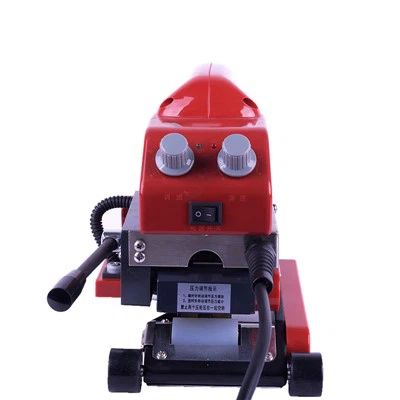 Geomembrane Overlap Welding MachineGeomembrane Welding Machine is able to manufacture hot air or hot wedge welding systems designed for geomembrane liners, covers, geotextiles and more.Add to Inquiry
 -
 Geomembrane Climbing Welding MachineGeomembrane Welding Machine is a new welding machine which is developed by our company. They can weld geo-membrane of various thickness and are applicable for welding of all thermal-fused materialAdd to Inquiry
 -
 Geomembrane Welding Machine1800W 1mm 1.5mm 2mm Rhw900 HDPE Geomembrane Liner Welding Machine Hot Wedge WelderAdd to Inquiry
 -
 Geomembrane Hot Wedge Welding Machineleister weldey 230V/800W HDPE liner 0.5mm/0.75mm/0.8mm/1.0mm seam wedge geomembrane welderAdd to Inquiry
 -
 Geomembrane Jointing Machine2mm 1.5mm 1mm Weldy Wgw300 Dam Pond Liner Lining Doule Hot-Wedge Welder Plastic PE Geomembrane Welding Machine For Mine/Landfill.Add to Inquiry
 -
 Geomembrane Extrusion GunWeldy EX2/EX3 PE Plastic Rod Hand Held Extruder Extrusion Welding Welder MachineAdd to Inquiry
 -
 Geomembrane Extrusion Welderplastic granules hand welder hdpe extruder welding gun for geomembraneAdd to Inquiry
 -


Brief Introduction to Welding Machine
Geomembrane welders are specialized machines used to join geomembranes through thermal fusion. Geomembranes are impermeable liners typically made of high-density polyethylene (HDPE) or other materials. These liners find applications in environmental containment, water management, mining, and civil engineering projects.

Features of Welding Machine
● Adopts PID automatic thermostatic control with high control accuracy and low temperature fluctuation.
● Speed control adopts PWM automatic voltage and speed regulation circuit, driven by DC servo motor, with great output torque and the operating is stable.
● It can maintain a constant speed on the condition of creeping, vertical creeping and variable road load. Also this series of Hot Wedge Welder is stable in performance despite of external temperature and voltage variation.
Geomembrane welding machines offer numerous benefits in industrial settings, contributing to environmental protection, liquid containment, waste management, and more.
Environmental Protection
One of the primary applications of geomembrane liners is preventing the leakage of harmful substances into the environment. Geomembrane welding machines enable precise and secure seams, ensuring the liners effectively contain hazardous materials, such as chemicals or waste, preventing contamination of soil and groundwater.
Liquid Containment
Geomembrane liners are widely used in liquid containment applications, including reservoirs, ponds, and irrigation canals. Geomembrane welding machines allow for the creation of impermeable barriers, reducing the risk of water loss or seepage. This is especially important in areas where water scarcity is a concern.
Waste Management
In waste management facilities, geomembrane liners combined with efficient welding machines are essential for preventing the escape of toxic substances into the surrounding environment. These liners help contain waste in landfills, preventing pollution and potential health risks. Geomembrane welding machines ensure the liners are properly sealed, minimizing the probability of leaks.
Mining and Landfills
Geomembrane liners are used extensively in mining operations and landfills. Mining companies rely on geomembrane liners to protect soil and groundwater from contaminants present in mining waste. Similarly, landfills require geomembrane liners to prevent leachate from seeping into the ground. Geomembrane welding machines play a crucial role in creating reliable seals for these liners, ensuring environmental protection.


Benefits of Geomembrane Welding Machines
Superior Leak Prevention
The thermal fusion bonding process ensures a seamless, leak-proof connection between geomembrane sheets, reducing the risk of contamination or water loss.
Time and Cost Efficiency
Geomembrane welders offer efficient installation, as the fusion process is quick and requires minimal labor. This leads to cost savings during project execution.
Durability and Longevity
The fusion bond created by geomembrane welders results in a strong, durable seal that can withstand harsh environmental conditions and provide long-term performance.
What are Types of HDPE Geomembrane Welding Machine?
Hot Wedge HDPE Geomembrane Welding Machine
These HDPE Geomembrane welding machines use a heated wedge to melt the HDPE geomembrane surfaces liner, Fusion welding consists of placing a selfpropelled hot wedge or hot air welder between two overlapped panel edges.The welders heat and melt the surface of the HDPE geomembrane and then compress the material between two rollers where the combination of heat and pressure creates a fusion weld.Hot wedge welding machines are the most common type of welding machine used in geomembrane installation.
Extrusion HDPE Liner Welding Machines
Extrusion geomembrane welding machines are often the best partners with welding rods.These machines use a heated extruder to melt the HDPE geomembrane surfaces, and then the molten welding rod is extruded to form a welded joint. The melted welding rod tightly welds the joints of the geomembrane together.Extrusion fillet welding consists of extruding a bead of molten welding rod along the edge of a panel lapped on top of another panel. The molten welding rod causes the melting of each geomembrane, which results in a homogeneous bonding of the geomembranes. The welding rod used for welding must be compatible with the geomembrane liner material.
Hot Air HDPE Geomembrane Welding Machines
Hot air geomembrane welding machines use hot air flow to heat and melt the surface of the geomembrane. The heated surfaces are then pressed together to create a strong and even seam. This method is highly versatile and suitable for welding projects in small projects. It has slower welding speed and larger workload than hot wedge welding machine. But the operation is simple and light.
Common Applications of Geomembrane Welding Machines
Pond Liners and Irrigation Canals
Geomembrane liners are widely used in the construction of pond liners and irrigation canals. Geomembrane welding machines ensure the creation of robust and watertight seals, preventing water loss and improving overall irrigation efficiency.
01
Landfills and Waste Containment
In waste management facilities and landfills, geomembrane liners and welding machines are essential for preventing the escape of harmful substances. Welding machines enable the creation of secure seams, minimizing the risk of contamination and protecting the surrounding environment.
02
Oil and Gas Industry
The oil and gas industry relies on geomembrane liners for various applications, including secondary containment of hazardous liquids and protection against leaks. Geomembrane welding machines play a vital role in ensuring the integrity of these liners, reducing the risk of environmental damage.
03
Mining Operations
Mining operations often involve the handling of hazardous substances and mining waste, which can contaminate the surrounding soil and groundwater. Geomembrane liners, along with welding machines, provide an effective barrier against pollution, protecting the environment from potential harm.
04
Agriculture and Horticulture
Geomembrane liners are used in agriculture and horticulture for applications such as water storage, nutrient ponds, and root barriers. Welding machines play a crucial role in creating durable and watertight seals, enhancing the efficiency and sustainability of these practices.
05
Geomembrane Welding Methods
A variety of methods exist to weld geomembranes. The appropriate practice often depends on the consideration of several factors. When considering the process of welding two geomembranes together, we need to understand the materials at a molecular level. To weld two compatible materials, their two surfaces must be softened to a certain depth for them to co-mingle and fuse. For most plastics, and therefore most geomembranes, this can be done by one of two methods; thermally or chemically. When thermally welding plastics together, the two surfaces are softened with heat and then forced together, causing the two materials to mix. Upon cooling, the materials are successfully “welded” together. Chemical welding uses a solvent to soften the two surfaces. When the materials are pressed together and the solvent evaporates, the two materials become “welded” together. While the procedures are entirely different, the outcome is essentially the same. Many other factors must be considered before selecting the appropriate method, such as ambient temperatures, the similarity of the two materials, and the project’s scope.
Hot-Air Welding
Hot-air welders are small, lightweight welders that, just as their name implies, use hot air to soften and join materials together. This welding technique suits all known geomembranes, including PVC, Urethane, HDPE, Polypropylene, and LLDPE. The two overlapping geomembrane layers’ interface is exposed to heated air that softens their surfaces, which are then pressed together to form a strong bond. Hot-air welders are generally used for detail work or to “tack” materials together in the field.
Extrusion Welding
Extrusion welders are larger and heavier welders that use a plastic welding rod forced down a heated barrel by an internal screw. The welding rod is softened, mixed in the heated barrel, and pushed out as a molten plastic bead directly onto the geomembrane liner. A Teflon shoe shapes this molten bead of material over the edge of the overlapped materials. Hot air is blown into the overlap ahead of the molten plastic to soften the material to form a stronger weld. The welding rod used by the extrusion welder must be selected to be compatible with the geomembrane and is often manufactured from the very same resin batch. This style of welding is primarily restricted to HDPE, Polypropylene, and LLDPE materials, as the likelihood of material degradation in the heated barrel makes this welding technique unsuitable for PVC or Urethane-based geomembranes.
Chemical Welding
Chemical welding only applies to geomembranes that can be suitably softened by a solvent, restricting chemical welding to PVC and Urethane-based geomembranes. An advantage of chemical welding is its ease of application, requiring only a little more than a paintbrush and the appropriate solvent. Despite the ease of use, chemical welding is hugely subject to environmental conditions. Low temperatures or high humidity can significantly affect the quality of a chemical weld.
Wedge-Welding
Wedge welders are smaller hand-held machines that weld two overlapped sheets of materials. There are two types of wedge welders, single-wedge and split-wedge. The single-wedge welder heats the interface between the two materials with a heated metal “wedge,” Then rollers immediately press the materials together to form a weld. The thermoplastic materials become fused at a molecular level. A split wedge is used on thicker geomembrane grades to create an air channel down the middle of the weld. The integrity of the weld can then be tested by pressurizing the channel with air to ensure an air-tight, and therefore liquid-tight weld has been created.
What are the Geomembrane Welding Tools?
Geomembrane welding tools are specialized equipment designed for joining and sealing geomembrane sheets during installation. These tools ensure the creation of strong, reliable seams that form impermeable barriers in various applications such as environmental containment, landfill liners, reservoirs, and pond liners. The specific tools required can vary depending on the welding technique employed. Here are some common geomembrane welding tools:
Hot Wedge Welding Machine: This machine has a heated wedge that is used to melt and fuse the geomembrane material. It is equipped with controls for temperature and speed.
Pressure Rollers: These are used to apply pressure to the welded seam, ensuring a secure bond.
Extruder Machine: An extrusion welder has a heated extrusion nozzle that melts the geomembrane material. The molten material is extruded onto the seam, creating a strong bond.
Welding Rod Feeder: This device feeds the welding rod into the extruder, ensuring a continuous supply of material for the welding process.
Testing Equipment: This may include tools for visual inspections, as well as non-destructive and destructive testing methods to assess the quality of the welds.
Spark Tester: Used to detect flaws or voids in the welded seams by applying a high voltage to the geomembrane surface.
Welding Rods: Depending on the welding method, specific welding rods made from the same material as the geomembrane are used to enhance the bond.
Seam Rollers: Used to press and smooth the welded seams for better adhesion.
Cleaning Tools: Brushes or other tools for cleaning and preparing the geomembrane surfaces before welding.
Safety Gear: Welders should use appropriate PPE, including safety glasses, gloves, and, if necessary, respiratory protection.
Test Kits: These may include equipment to conduct various tests on geomembrane seams, such as peel tests, shear tests, and seam strength tests. It’s important to note that the specific tools and equipment required can vary based on the type of geomembrane material being used, the welding method, and the project’s specific requirements. Additionally, following manufacturer guidelines and industry standards for equipment calibration and maintenance is crucial to ensure the quality of geomembrane welding.
Ultimate FAQ Guide to Welding Machine
Q: What is geomembrane welding?
Q: What is a geomembrane used for?
Q: What is a wedge welder?
Q: What is the welding technique for HDPE?
Hot gas welding. Hot gas welding, also known as hot air welding, is a plastic welding technique, which is analogous to metals, though the specific techniques are different.
Speed tip welding. With speed welding, the plastic welder, similar to a soldering iron in appearance and wattage, is fitted with a feed tube for the plastic weld rod.
Q: What is the standard for HDPE welding?
Q: Can HDPE be welded together?
Q: What is geomembrane in highway engineering?
Q: What is the use of HDPE welding machine?
Q: How is fusion welding of HDPE geomembrane conducted?
Q: Can HDPE be hot air welded?
Q: What is the geomembrane welding technique?
Q: What is geomembrane in highway engineering?
Which is stronger HDPE or UHMW?
Both HDPE and UHMW are known for their strength and durability. UHMW's long polymer chains and higher molecular weight allow it to sustain higher impacts and endure more trauma before it begins to wear. When hardness is less of a concern, HDPE is a lighter material that can still handle mild wear.
Q: What is geomembrane made of?
Q: How do you install a geomembrane liner?
Lay Out the Geomembrane Sheets. Once the site is prepared and all necessary materials are gathered, it's time to lay out the HDPE geomembrane sheets.
Weld the Sheets Together.
Anchor the Geomembrane to the Ground.
Q: What is the longest lasting pond liner?
Q: What is a geomembrane liner used for?
Q: What liner is built under a landfill to catch leachate?
Q: What geomembranes are used in landfills?
Q: What is EPDM geomembrane?
We're professional welding machine manufacturers and suppliers in China, specialized in providing high quality products with low price. We warmly welcome you to buy welding machine for sale here from our factory.
Geomembrane Hot Wedge Welding Machine, Geomembrane Extrusion Gun, Geomembrane Climbing Welding Machine