


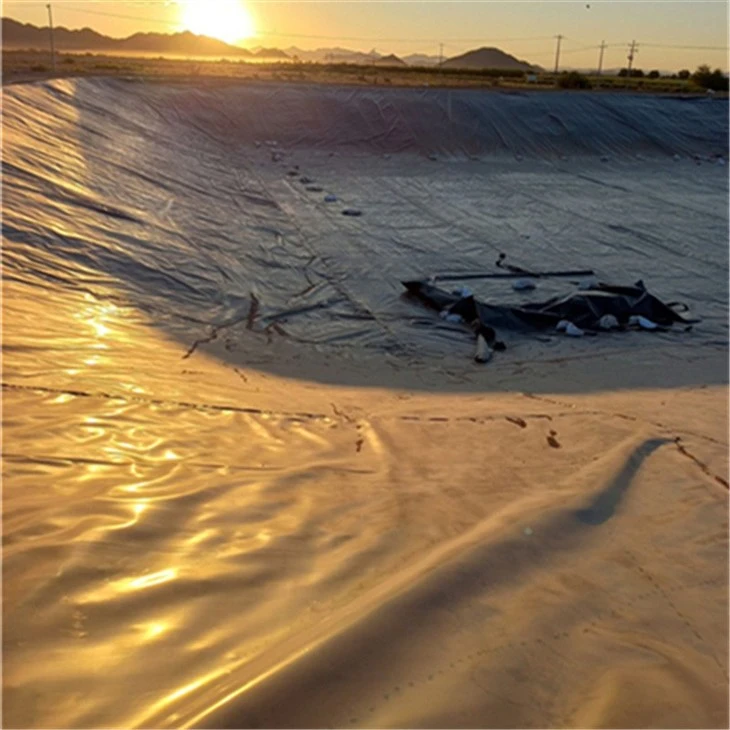


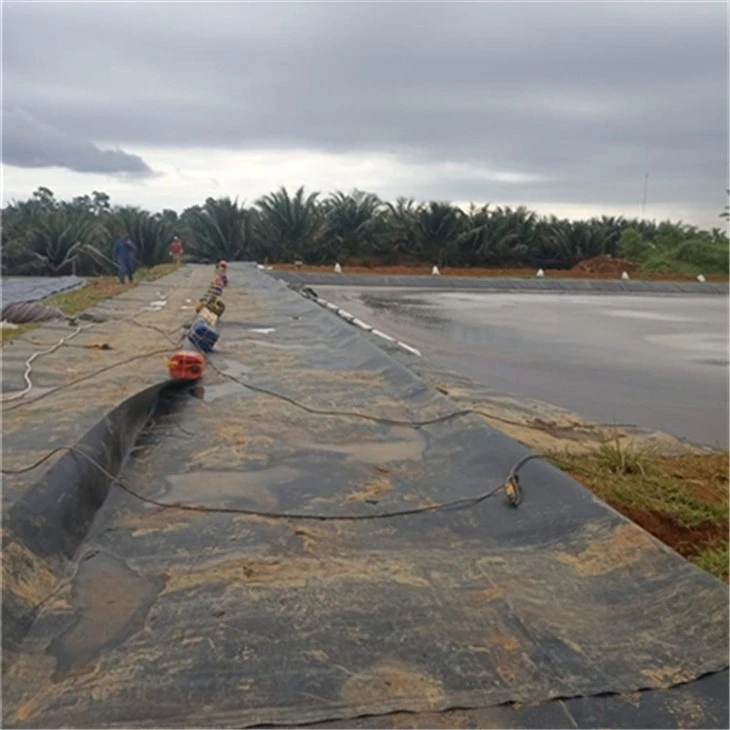
Polyethylene is the most common type of consumer plastic and appears in everyday materials, from food packaging to bulletproof vests. The same properties that make polyethylene ideal for these uses make it an ideal liner for your pond, so it's not surprising that most new pond liner options available are some form of polyethylene.
Products Description
HDPE pond liners are made from high-density polyethylene plastic, which is a petroleum-based thermoplastic polymer. EPDM liners, on the other hand, are based on ethylene propylene diene monomer, a flexible synthetic rubber. HDPE pond liners are made from a single polymer, while EPDM liners are made from multiple polymers. For large ponds, especially on farms, it is much more convenient to use rigid and weldable HDPE liners, as EPDM liners are flexible but cannot be welded.
HDPE pond liner is a type of pond liner made of high density polyethylene. Resistant to holes, tears, and snags, making it ideal for ponds up to 30 feet in diameter. HDPE pond liners are lightweight and easy to carry, so you can move them as needed.
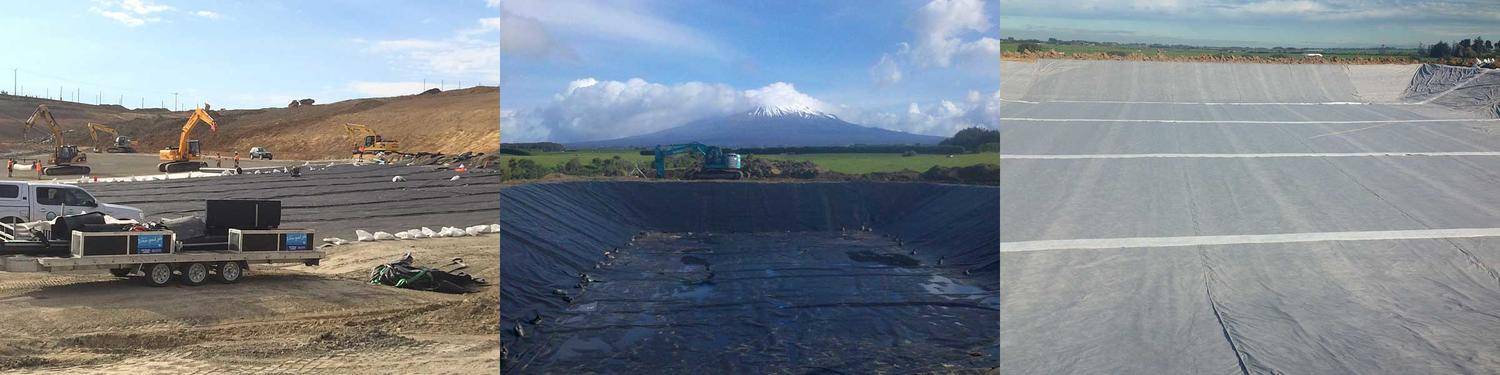
Pond liner materials
HDPE (High Density Polyethylene)
HDPE has historically been one of the most popular geomembrane options in the world. This is a textile material chosen primarily for its density. Unfortunately, this density makes it slightly stiffer, making it more difficult to pack, ship, and install than better products such as RPE. Also, because of its high rigidity, it is prone to creases and wrinkles.
HDPE shares many advantages with other polyethylenes, such as chemical resistance and its functional life of more than 30 years.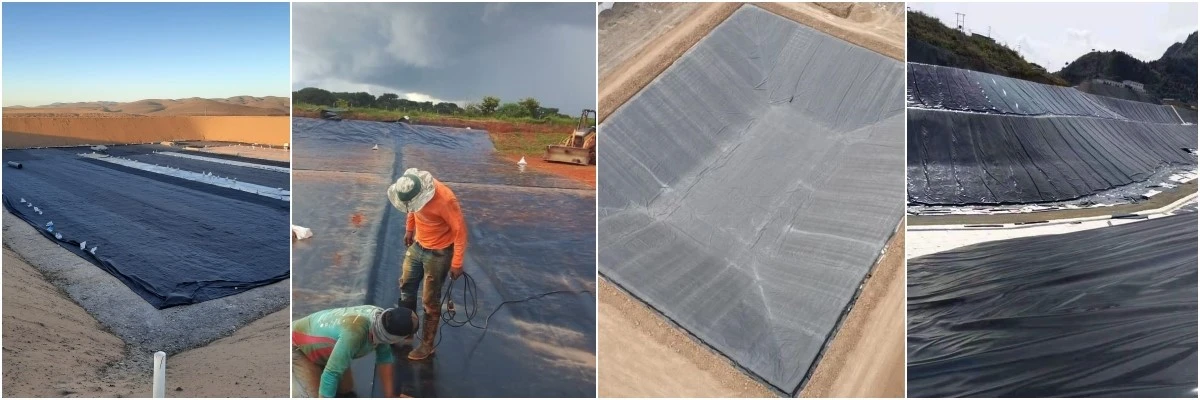
LDPE (Low Density Polyethylene)
LDPE shares some of the characteristics of HDPE, both good and bad. It's relatively cheap, fish-safe, weldable, and performs well in cold temperatures.
The main advantage of LDPE over HDPE is that it is softer, more flexible, and more flexible than dense HDPE. These properties make it easy to fold and install, and can withstand rough terrain. On the downside, LDPE has lower tensile strength than HDPE, so it can tear or lose its shape. LDPE is also not very resistant to UV light and oxidation, so it may not last very long unless carefully protected from the effects of weathering.
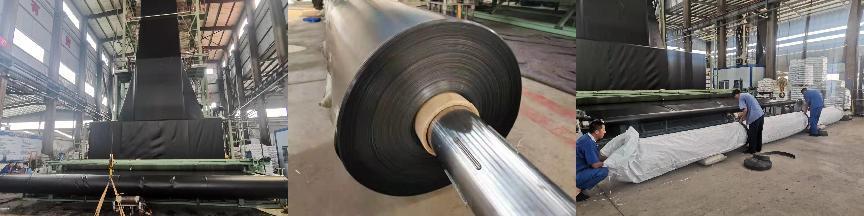
RPE (Reinforced Polyethylene)
RPE's outstanding feature is its multilayer construction. A woven, reinforcing core provides exceptional toughness and resistance to punctures, while outer layers offer flexibility, additional toughness, UV protection, and other specialized protections. Amazingly, the combination combines the best attributes of HDPE and LDPE without the downsides of either product.
Although an underlay is rarely required, RPE liners are half as thick as liners such as EPDM or PVC for the same application. The superior quality of this material makes RPE only one-third the weight of other polyethylene products, making it easier to manufacture giant liners that are much cheaper to transport and easier to install.
RPE's only real downfall is its price. It's more expensive than HDPE or LDPE due to its complex construction. Still, the significant advantages of RPE over other polyethylenes and other plastic products make it more durable, more installable, and more functional over time. When considered overall, the long-term cost of an RPE liner is superior to the short-term savings of cheaper options.
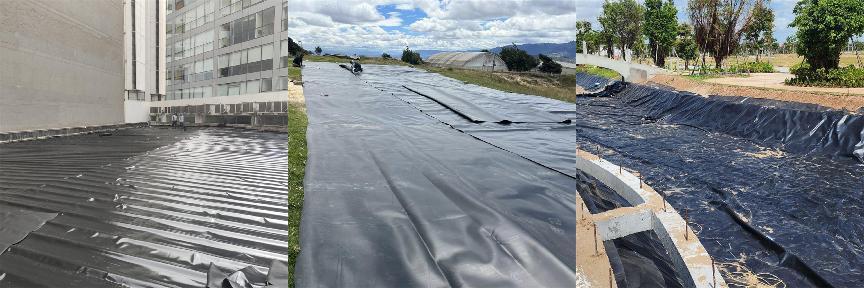
HDPE Pond Liner Usage
When considering the use of HDPE pond liners, it's valuable to keep these tips and cautions in mind:
Strength and Durability: HDPE pond liners exhibit robustness against high water pressures and temperatures, contributing to their reliable performance.
Abrasion Vulnerability: While HDPE is durable, it's essential to remember that it's not impervious to abrasion. Avoid sharp objects that could potentially compromise the liner's integrity.
Algae Growth: In cases of significant algae growth, cleaning an HDPE liner may pose challenges. Consulting professional pond cleaning services could be necessary for effective cleaning.
Scheduled Replacement: To maintain optimal pond conditions, be prepared to replace the HDPE liner approximately every five years or when signs of wear and tear become evident.
Conclusion
Many aspects need to be considered when navigating the realm of pond liners. From the type of liner to its size and compatibility, your choices have a huge impact on the long-term health and aesthetics of your pond. HDPE pond liners are durable and easy to use, providing an attractive solution for pond enthusiasts.
The features of HDPE Pond Liner
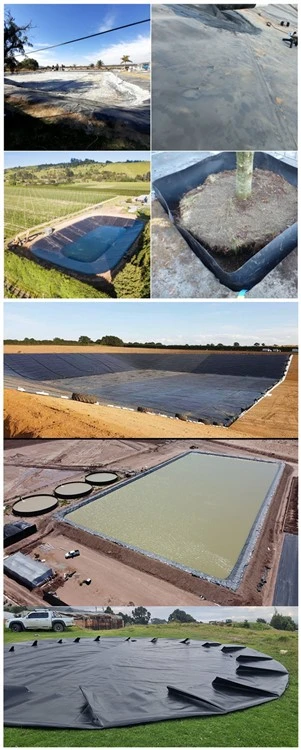
Easy to install: HDPE pond liners are lightweight and flexible, making them easy to install. They can be rolled out and cut to size, and they can be sealed together using heat.
Superior UV stabilization: HDPE pond liners are stabilized against ultraviolet rays, so they can withstand long exposure to sunlight. This makes them a good choice for outdoor applications.
Puncture resistance: HDPE pond liners are strong and puncture-resistant, so they can withstand the weight of water and the impact of rocks and other objects.
High hydrostatic resistance: HDPE pond liners can withstand high water pressure, making them a good choice for ponds and reservoirs.
Water and chemical resistance: HDPE pond liners are resistant to water and chemicals, so they are a good choice for ponds that contain fish or other aquatic life.
Resistant to abrasion: HDPE pond liners are resistant to abrasion, so they can withstand the wear and tear of rocks and other objects.
High tensile strength: HDPE pond liners have high tensile strength, which means they can withstand a lot of stress. This makes them a good choice for ponds that are subject to high winds or earthquakes.
UV resistant: HDPE pond liners are resistant to ultraviolet rays, so they can withstand long exposure to sunlight.
Long life: HDPE pond liners are durable and can last for many years.
Recyclable: HDPE pond liners are recyclable, so they are environmentally friendly.
Waterproof: HDPE pond liners are waterproof, so they can keep water in the pond.
Easy to lay and seal: HDPE pond liners are easy to lay and seal, so they can be installed quickly and easily.
Anti-root penetration: HDPE pond liners are resistant to root penetration, so they can be used in ponds with plants.
Tear resistance: HDPE pond liners are resistant to tears, so they are less likely to be damaged during installation or use.
Corrosion resistant: HDPE pond liners are resistant to corrosion, so they can be used in ponds with chemicals or other corrosive materials.
Fish and plant safe: HDPE pond liners are safe for fish and plants, so they can be used in ponds with aquatic life.
Contact Information
Taian City Ruiheng Building Materials Co., Ltd
Address: NO.3566 Longquan Road, Tai'an Hi-tech Zone, Shandong Province, China
Website: www.rhgeos.com
Email: lorna@rhgeos.com
Phone / Whatsapp / Wechat: 0086 187 6669 7769
Hot Tags: geomembrane cover, China geomembrane cover manufacturers, suppliers, factory


