


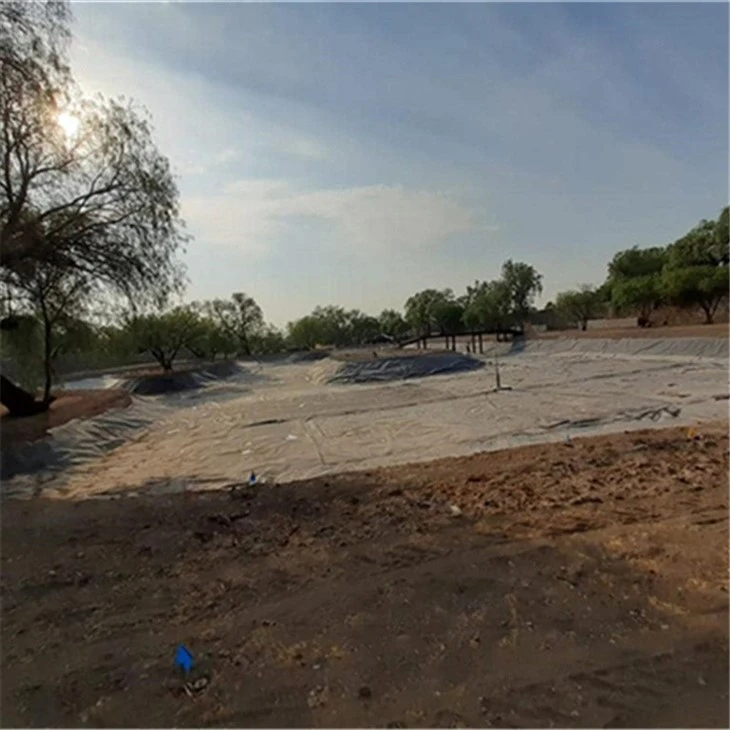


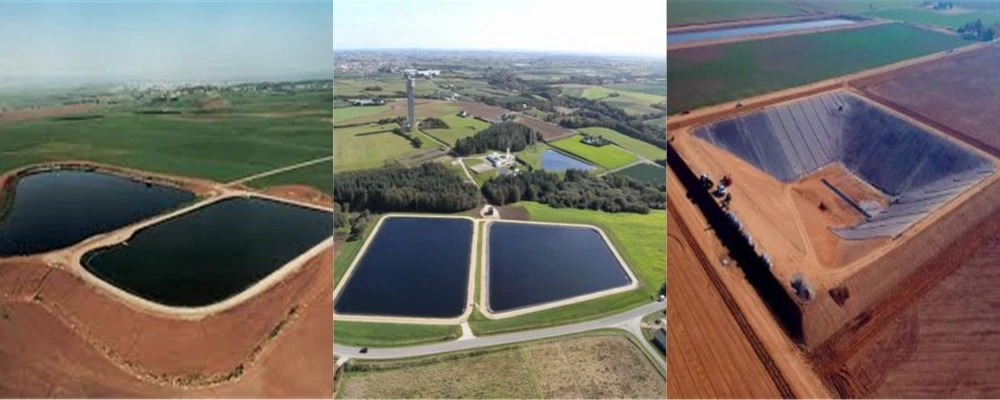
Geomembrane reservoir refers to the water storage structure constructed with geomembrane materials. Our HDPE liners are made from 100% raw materials and contain no recycled materials.
How the geomembrane use for biogas?
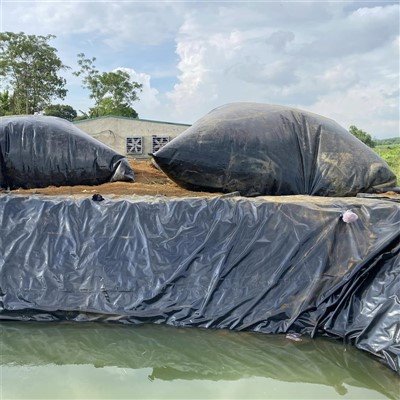
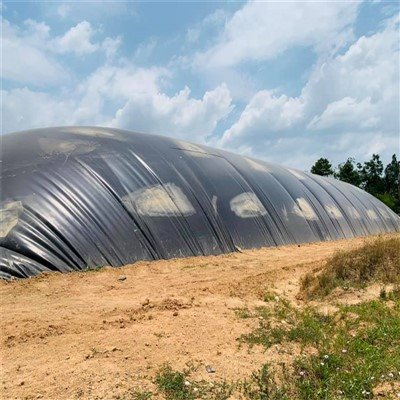
Geomembranes are becoming more and more popular in the field of biogas production and storage. Biogas is a renewable energy source that is produced by the anaerobic decay of organic matter such as food waste, agricultural residues or livestock waste. In order to maximize the production of biogas, it is necessary to have a storage system that is efficient, durable and easy to maintain. This is where the geomembrane comes into play.
Geomembranes are synthetic membranes that are used for a variety of applications, ranging from wastewater treatment to landfill liner systems. They are typically made from high-density polyethylene (HDPE), polypropylene (PP), or polyvinyl chloride (PVC) and can be manufactured in different thicknesses and sizes. When it comes to biogas, geomembranes are used as covers or liners to create an oxygen-free environment that favors the growth of anaerobic bacteria.
One of the main benefits of using geomembranes in biogas production and storage is that they prevent air from entering the system. When organic matter is placed in an airtight container, it begins to break down, releasing methane gas as a byproduct. This gas can be captured and used as an energy source. However, if the container is not airtight, oxygen can enter and stop the anaerobic process, causing the production of biogas to stop. Therefore, geomembranes play a crucial role in ensuring the efficient and continuous production of biogas.
In addition to preventing air from entering the system, the geomembrane also helps to control biogas and prevent it from escaping into the atmosphere. Biogas is a potent greenhouse gas that is more harmful to the environment than carbon dioxide. By using geomembranes, biogas can be stored and used as a fuel source, reducing dependence on fossil fuels and their associated carbon emissions.
Another benefit of using geomembranes in biogas systems is that they are easy to install and maintain. Geomembrane can be made into large sheets that can be easily installed on top of waste storage tanks or used as a liner for the entire system. Once installed, the geomembrane requires minimal maintenance, reducing the overall cost of the system.
Finally, geomembranes are extremely durable and provide a sturdy barrier between waste and the environment. They are resistant to chemicals, UV radiation and mechanical damage, making them ideal for use in harsh environments. This durability ensures that the system will last for many years, providing a reliable source of biogas for energy production.
In short, geomembranes are an important part of biogas production and storage systems. They play a vital role in creating an oxygen-free environment that promotes the growth of anaerobic bacteria and the production of biogas. In addition, they help contain biogas and prevent it from escaping into the atmosphere, while also providing a durable, cost-effective and easy-to-maintain barrier between waste and the environment. Overall, the use of geomembranes in biogas systems has a positive impact on the environment, helping to reduce dependence on fossil fuels.
The Applications of HDPE Pond Liner
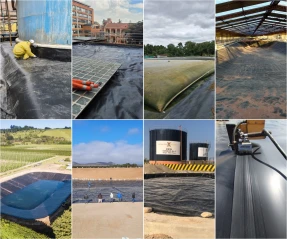 Agriculture
Industrial
Landfill
Road and rail tunnels
Mining
Reservoir
Wastewater reservoir
Sealed pools and swimming pools
Reservoir/canal
Aquaculture
Drinking water
Capping application
Pond liner
Floating cover
Stormwater runoff
Prevent gas leaks
Detention pond
The Specification of HDPE Pond Liner
Thickness: 0.1-4.0mm
Color: Black is the standard color, but other colors are available in the case of the requirement.
Material: HDPE/LDPE/LLDPE virgin grade
Density: 0.920 gm/cc to 0.960 gm/cc
Packing: By roll
Geomembrane life time?
The long life span of HDPE geomembranes is attributed to their ability to resist environmental factors such as chemical degradation, ultraviolet radiation, and stress cracking. Additionally, HDPE geomembranes have a high degree of flexibility, elasticity, and puncture resistance, making them a reliable and durable solution for various applications.
There are many factors that can impact the life span of HDPE geomembranes, such as the quality of installation, soil conditions, and exposure to external factors such as a high concentration of chemicals or extreme weather conditions. However, with proper installation and maintenance, HDPE geomembranes can provide an exceptional performance over a very long period.
Furthermore, the use of HDPE geomembranes presents significant benefits compared to other materials such as concrete or clay. HDPE geomembranes are more economical, lightweight, and easier to handle, transport and install. They also provide a superior level of protection against leakage compared to other materials.
Contact Information
Taian City Ruiheng Building Materials Co., Ltd
Address: NO.3566 Longquan Road, Tai'an Hi-tech Zone, Shandong Province, China
Website: www.rhgeomembrane.com
Email: bonnie@rhgeos.com
Phone / Whatsapp / Wechat: 0086 188 5482 2179
Hot Tags: geomembrane water reservoir, China geomembrane water reservoir manufacturers, suppliers, factory


