

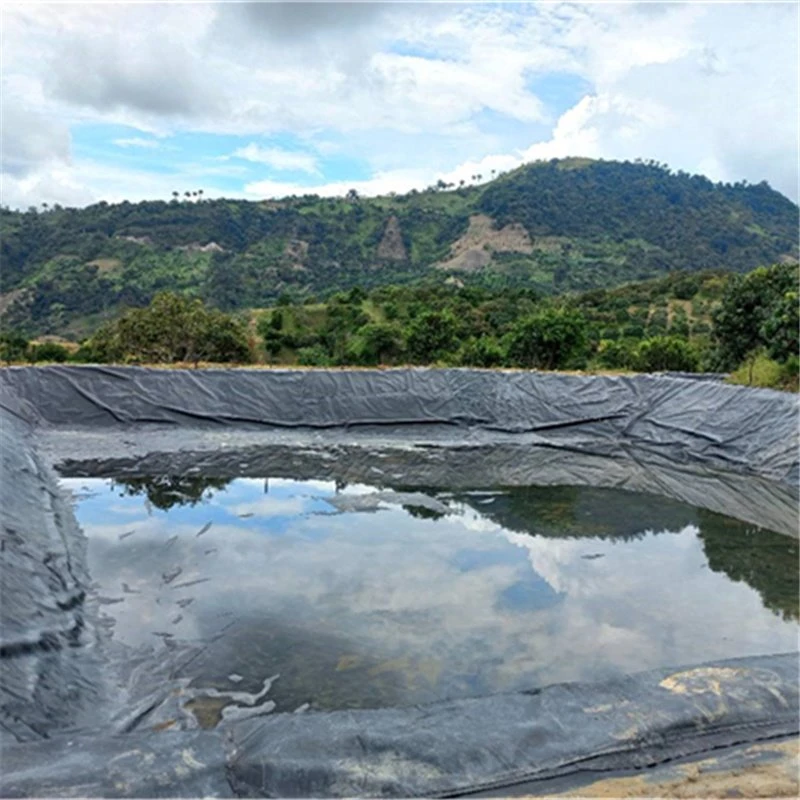

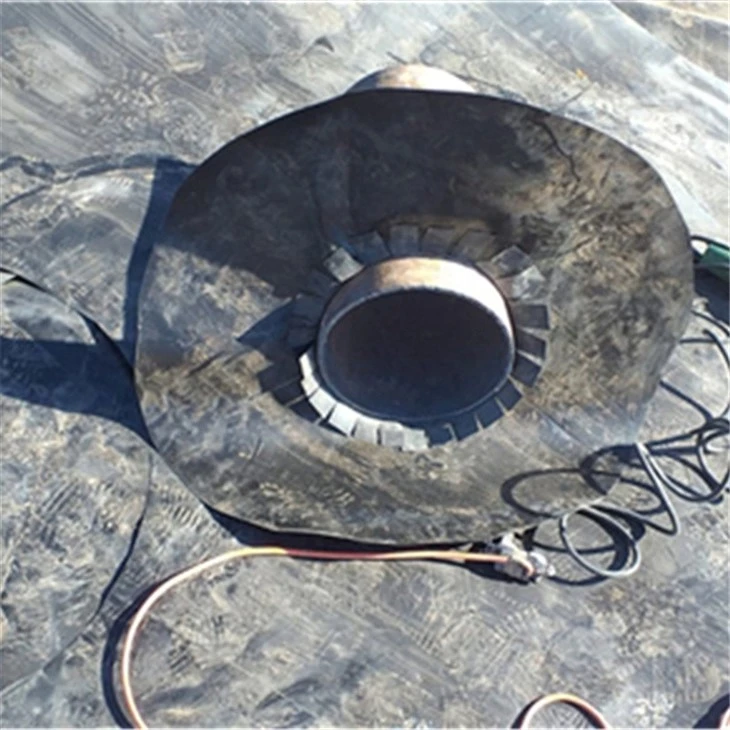
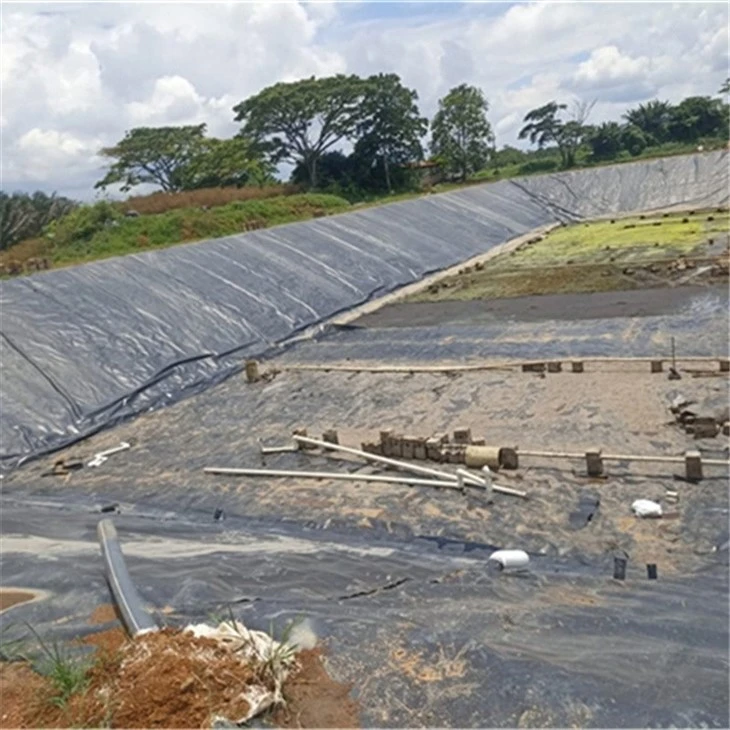
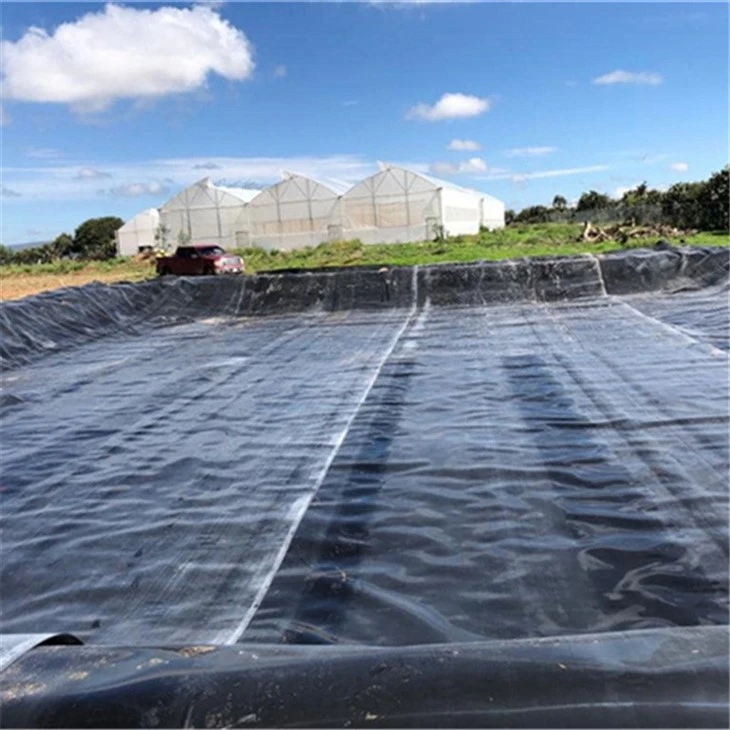
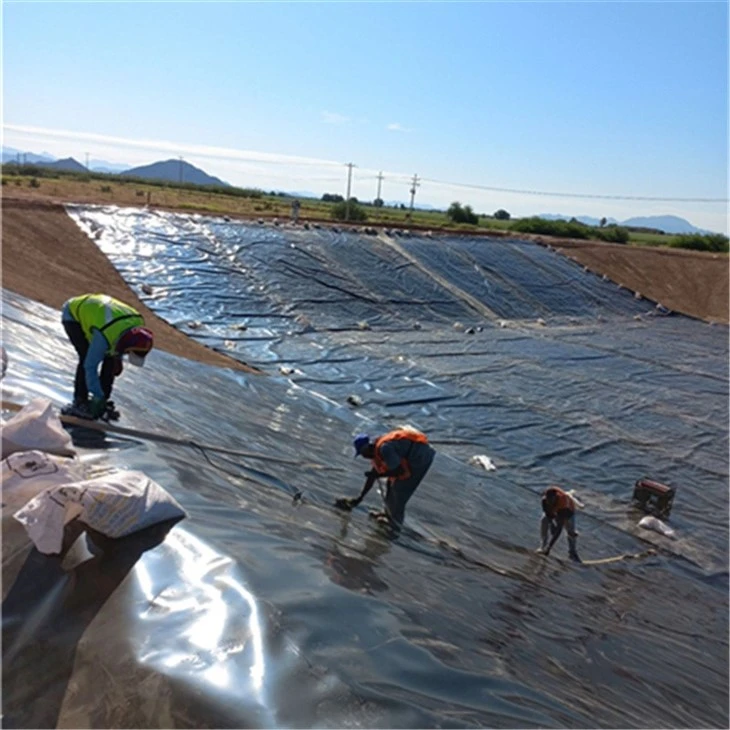
Geomembranes are thin, flexible materials manufactured in factories in a controlled environment. Geomembranes can be permeable or impermeable. Impermeable geomembranes are often used as a water barrier in hydroelectric structures, while permeable geomembranes are applied so that infiltration water passes through without removing the soil. If a geomembrane is associated with a geotextile, it is called a ‘geocomposite’.
application
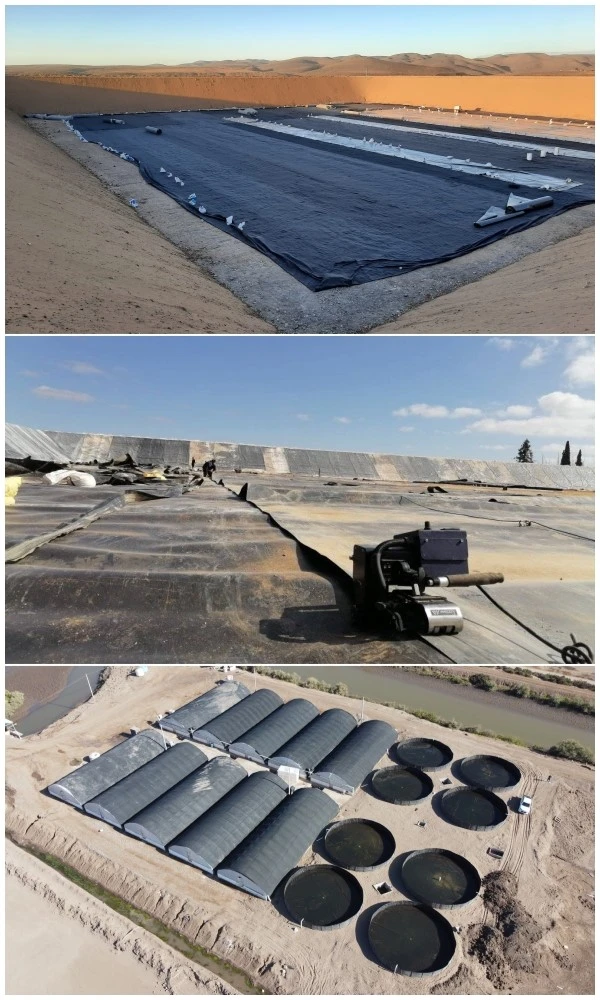 To get a better perception of what you can use a Geomembrane for, here are just some of the most popular uses:
Being liners for potable or reserve water (e.g., the safe shutdown of nuclear facilities)
Being fish pond liners
Being liners for waste liquids (e.g., sewage sludge), radioactive or hazardous waste liquid
Being liners for the agriculture industry
Being liners for various waste conveyance canals
Being liners for primary, secondary, and/or tertiary solid-waste landfills and waste piles
Being linings for emergency spillways
Being waterproofing liners within tunnels and pipelines
To preserve and transit liquids in trucks
To preserve and transit potable water and other liquids in the ocean
Below highways to prevent pollution from deicing salts
Underneath and adjacent to highways to capture hazardous liquid spills.
Typically, geomembranes are used wherever loss of material cannot be allowed, whether pure water, wastewater, steam, soil, hazardous materials, or any other substance that does not require escaping the designated space. Flowing, accumulated, frozen and still liquids (and even vapors) can be so devastating if not managed properly that these geomembranes have allowed industries to continue to develop and support many more projects than ever before.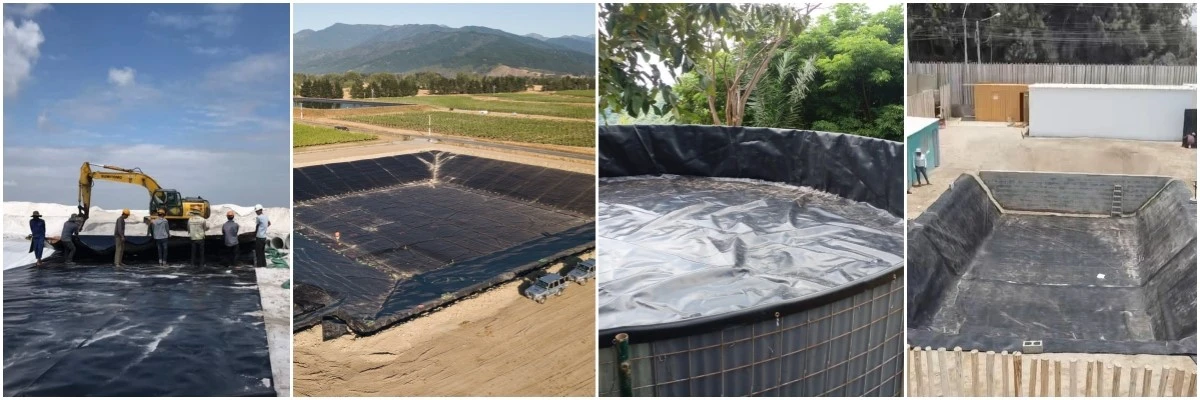
Products Description
|
Test |
Unit |
Standard |
Test |
RH75 |
RH10 |
RH15 |
RH20 |
RH30 |
|
|
Mechanical Properties |
Thickness |
mm |
D5199 |
per roll |
0.75 |
1.00 |
1.50 |
2.00 |
3.00 |
|
Density |
g/cc |
D1505/D792 |
90,000 kg |
0.94 |
|||||
|
Tensile Properties |
|
D 6693 |
|
|
|
|
|
|
|
|
· yield strength |
kN/m |
Type IV |
9,000 kg |
11 |
15 |
22 |
29 |
44 |
|
|
· break strength |
kN/m |
|
|
20 |
27 |
40 |
53 |
80 |
|
|
· yield elongation |
% |
|
|
12 |
12 |
12 |
12 |
12 |
|
|
· break elongation |
% |
|
|
700 |
700 |
700 |
700 |
700 |
|
|
Tear Resistance |
N |
D 1004 |
20,000 kg |
93 |
125 |
187 |
249 |
374 |
|
|
Puncture Resistance |
N |
D 4833 |
20,000 kg |
240 |
320 |
480 |
640 |
960 |
|
|
Stress Crack Resistance |
hr. |
D 5397 |
per GRI GM-10 |
500 hr. |
|||||
|
Carbon Black Content |
% |
D 4218 |
9,000 kg |
2.0-3.0% |
|||||
|
Reference Propertied |
Oxidative Induction Time |
min |
D 3895 |
90,000 kg |
100 min. |
||||
|
(a) Standard OIT |
D 5885 |
||||||||
|
(b) High Pressure OIT |
|
400 min. |
|||||||
|
Oven Aging at 85°C retained |
% |
D 5721 |
per each |
|
|||||
|
(a) Standard OIT - % |
D 3895 |
formulation |
55% |
||||||
|
(b) High Pressure OIT - % |
D 5885 |
|
80% |
||||||
|
UV Resistance |
% |
|
per each |
|
|||||
|
High Pressure OIT - % retained |
D 5885 |
formulation |
50% |
||||||
|
Roll Size |
Roll Width |
m |
|
7/8 |
7/8 |
7/8 |
7/8 |
7 |
|
|
Roll Length |
m |
|
280 |
210 |
140 |
105 |
70 |
||
benefits
The most chemically resistant member of the polyethylene family due to its dense configuration.
Field welded with hot wedge welders and extrusion welders. These factory quality welds are virtually stronger than the sheet itself.
The best QC-QA testing capabilities in the marketplace.
No need to cover the liner because it is UV stable cost-effective.
Geomembrane liner installation
Geomembrane liner installation is very technical. It requires welding equipment and a qualified welder to install them properly on site. The most common method of securing the liners on side slopes is by means of an anchor trench around the perimeter. Please see our HDPE Liner Welding for more information.
Geomembrane lining systems require welding that should performed by qualified technicians.There are two primary welds that are commonly utilized in geomembrane installation:
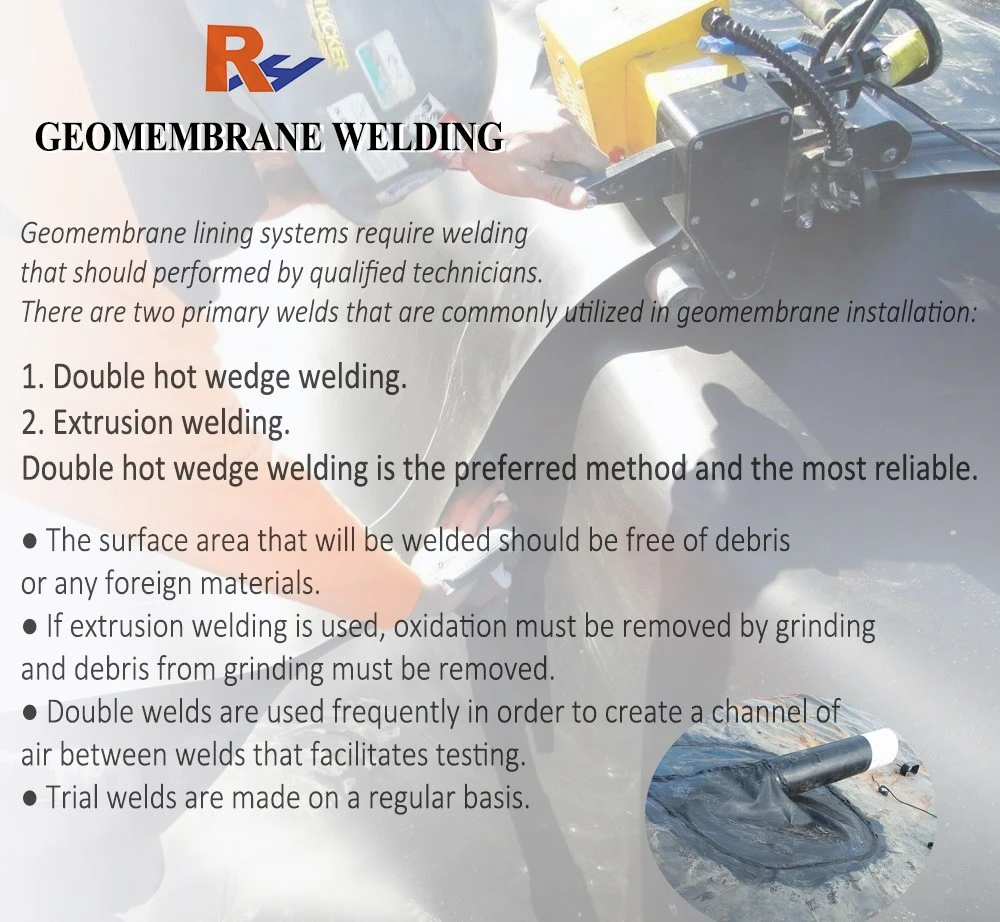
Double hot wedge welding
Extrusion welding.
Double hot wedge welding is the preferred method and the most reliable.
● The surface area that will be welded should be free of debris or any foreign materials.
● If extrusion welding is used, oxidation must be removed by grinding and debris from grinding must be removed.
● Double welds are used frequently in order to create a channel of air between welds that facilitates testing.
● Trial welds are made on a regular basis.
Geomembrane Durability
Several factors affect the degradation of polymers within geomembranes. Factors such as UV exposure, chemical impact, biological contaminants (animals, fungi) and thermal expansion impact the useful life of geomembranes.
Technical knowledge is required to select the correct type and thickness for the project. This is generally based on the depth of containment and the geotechnical conditions of the site.
Contact Information
Taian City Ruiheng Building Materials Co., Ltd
Address: NO.3566 Longquan Road, Tai'an Hi-tech Zone, Shandong Province, China
Website: www.rhgeos.com
Email: lorna@rhgeos.com
Phone / Whatsapp / Wechat: 0086 187 6669 7769
Hot Tags: oil tank geomembrane, China oil tank geomembrane manufacturers, suppliers, factory


