

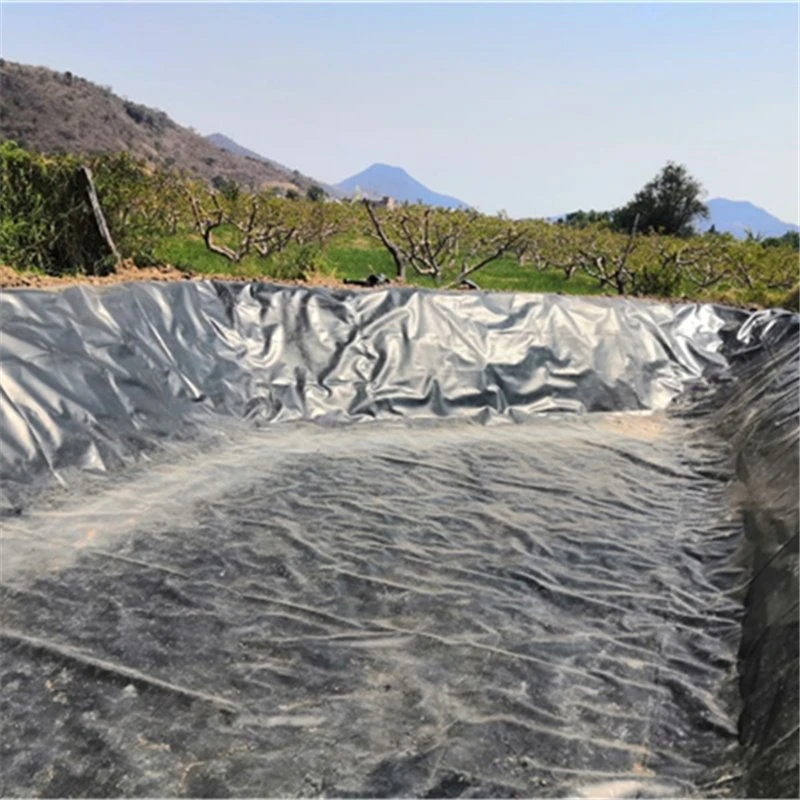

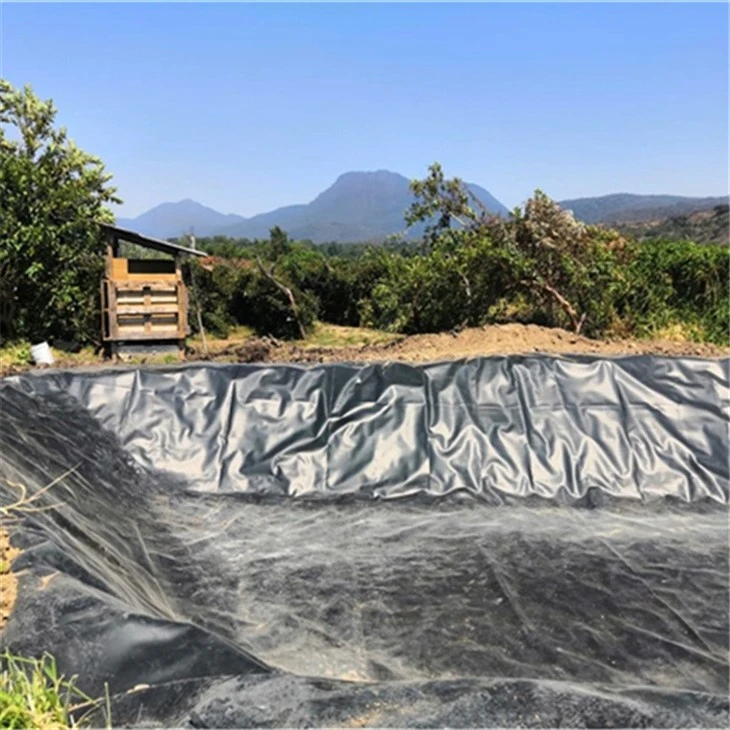
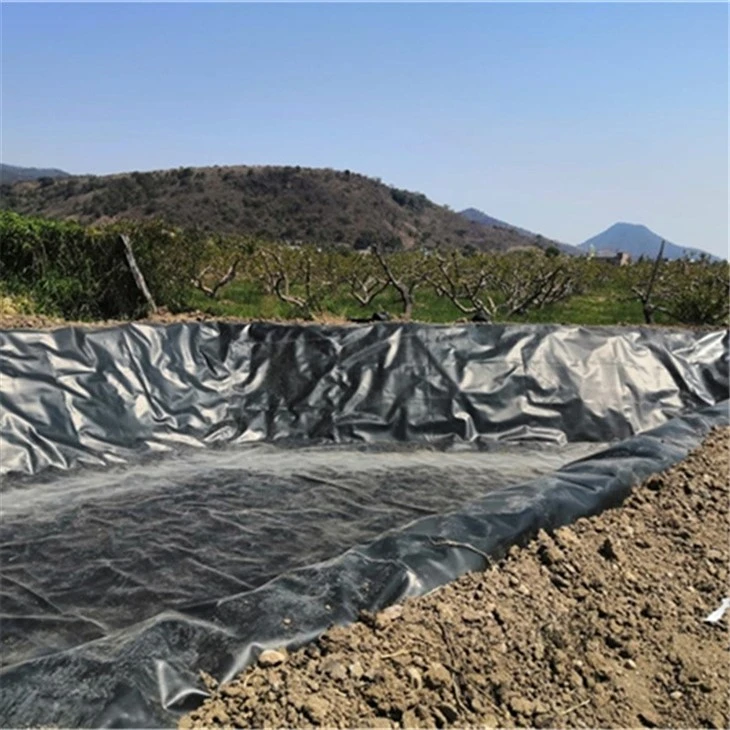


Geomembranes are a type of waterproof membrane coating used in a variety of civil engineering applications. They are manufactured from polymers such as polyethylene, polypropylene or vinyl esters and can be used for containment, infiltration control and water or sewage treatment.
Our Geosynthetic product
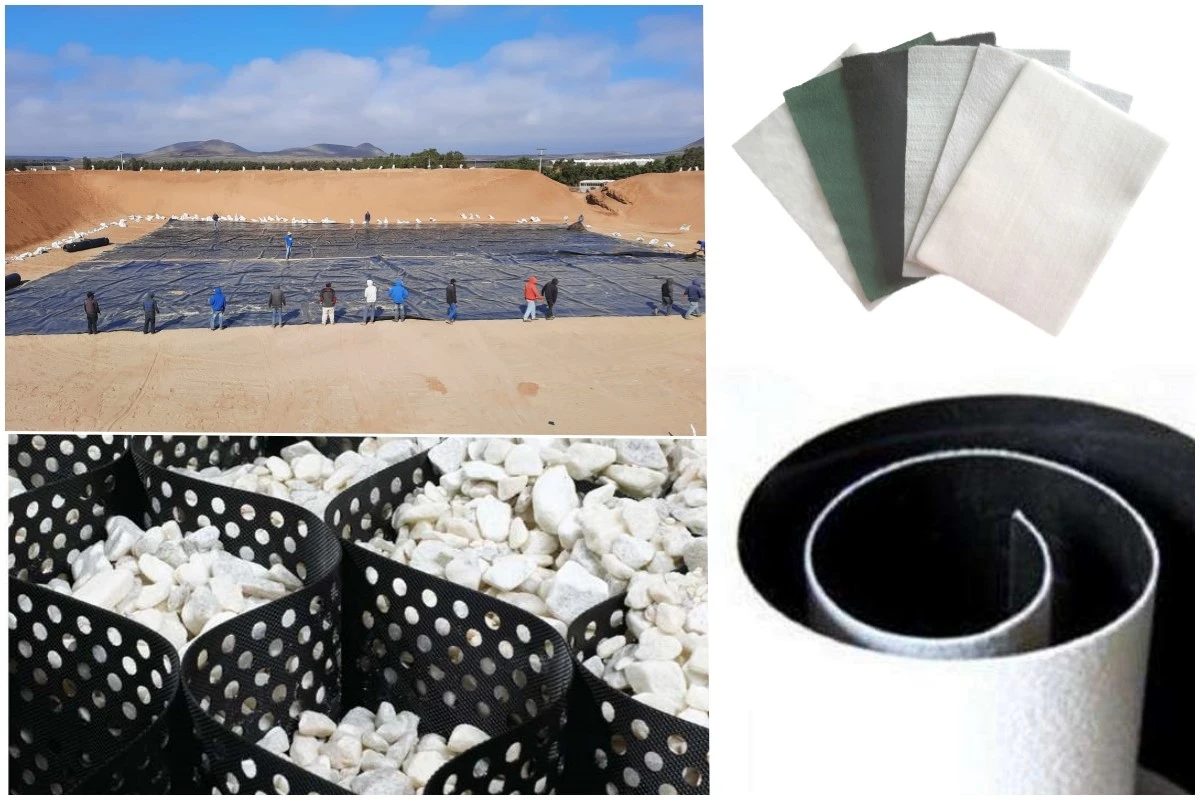
Geosynthetic products have become an integral part of the construction process of several important industries. Its price and physical properties are great advantages over traditional alternatives. Geosynthetics are manufactured from various artificial polymers and are used in conjunction with soil or rock to increase land stability. These products are used in civil, mining and transportation infrastructure projects due to their ability to solve a range of engineering problems related to soil reinforcement, erosion control and containment. Geosynthetic products are classified into four types. Geomembranes, geotextiles, geocells and geocomposites. The most popular of these types is the geomembrane.
What Rough Geomembrane use for
Rough geomembrane is a specialised material that is commonly used for a wide variety of applications. This material is made up of a durable, high-density polyethylene polymer which provides excellent strength and durability. The rough surface of this geomembrane is specially engineered to resist slipping, making it ideal for applications where traction is important.
One of the main uses for rough geomembrane is in pond and lake liner systems. These liners serve as a barrier between the water and the surrounding environment, ensuring that the water stays in the intended area. Rough geomembrane is particularly useful for this application because of its high coefficient of friction, which helps to prevent water from seeping out of the liner.
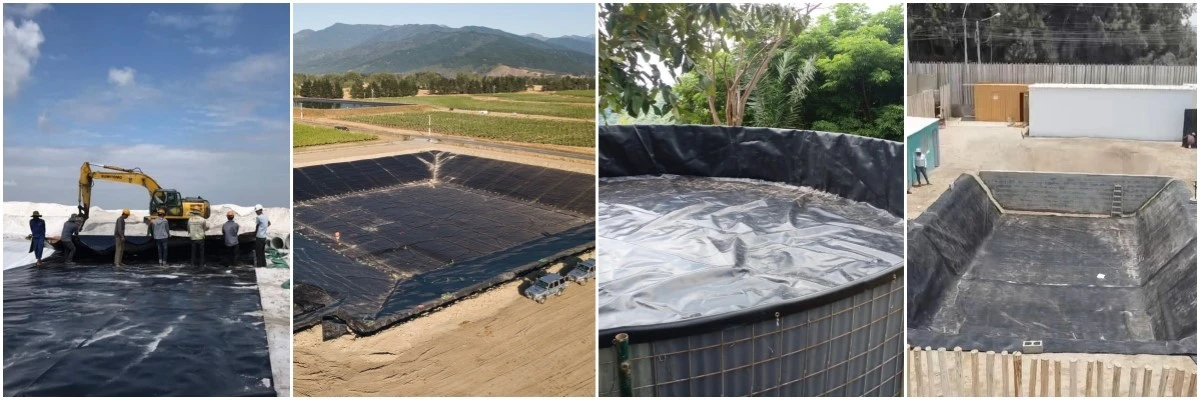
Another application where rough geomembrane is commonly used is in landfill liner systems. Landfills need to be carefully constructed to ensure that no hazardous waste materials escape into the environment. Rough geomembrane is an excellent choice for landfill liner systems because it provides a high level of protection against leaks and spills.
Rough geomembrane can also be used in the transportation industry. It is commonly used as a liner for haulage trucks and trailers to protect the cargo from damage during transit. The rough surface of the geomembrane provides a good grip, which helps to prevent the cargo from sliding around and potentially causing damage.
In addition to these practical applications, rough geomembrane can also be used for decorative purposes. It can be used to create unique and eye-catching designs on walls, floors, and ceilings. The rugged texture of the material gives it a distinctive appearance that can be used to create a powerful visual impact.
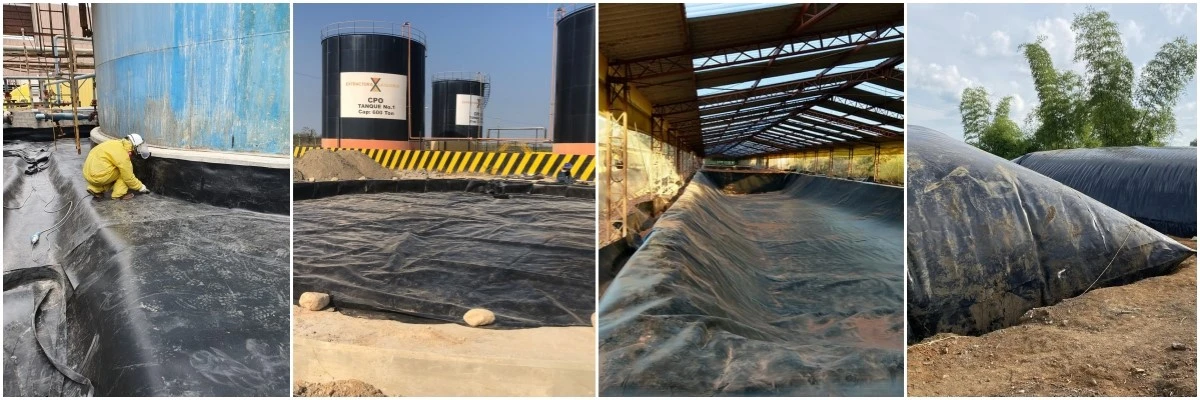
Ultimately, the versatility of rough geomembrane is what makes it such a valuable material for so many different applications. Its durability, strength, and non-slip surface make it a reliable choice for any project that requires high levels of protection and safety. Whether you are constructing a pond or lake liner system, a landfill liner system, or simply looking for a unique and appealing decorative material, rough geomembrane has you covered.
Moreover, the use of geomembranes, including rough geomembranes, has a positive impact on the environment. These materials help to prevent hazardous waste materials from escaping into the environment. This ensures that the local ecosystem is protected from contamination, which is crucial for the health and wellbeing of the local wildlife and ecosystem.
Relevant Regulations
Quality standards are crucial when purchasing geomembrane liner for your project. HDPE geomembrane's physical properties such as tensile strength and tear resistance are calculated based on test methods specified by ASTM and GSI.

ASTM International
Because of their extensive history in this field, the American Society of Testing and Materials (ASTM) is responsible for the bulk of generic geomembrane test methods.
Rough geomembrane paramenters
|
Thickness,mm |
0.75 |
1.0 |
1.5 |
2.0 |
|
Density,g/cm3 |
≥0.94 |
≥0.94 |
≥0.94 |
≥0.94 |
|
Tensile yiedl strength,N/mm |
≥11 |
≥15 |
≥12 |
≥29 |
|
Tensile breaking strength,N/mm |
≥8 |
≥10 |
≥16 |
≥21 |
|
Elongation at yield, % |
≥12 |
≥12 |
≥12 |
≥12 |
|
Elongation at break,% |
≥700 |
≥700 |
≥700 |
≥700 |
|
Tear Resistance,N |
≥93 |
≥125 |
≥190 |
≥250 |
|
Puncture Resistance,N |
≥200 |
≥270 |
≥400 |
≥535 |
|
Tensile load stress cracking |
≥300 |
≥300 |
≥300 |
≥300 |
Geomembrane history
Geomembranes are an important type of synthetic membranes that have become essential in modern civil engineering practices. The beginnings of geomembranes can be traced back to the early 20th century when the chemical industry developed PVC and PTFE. These early synthetic polymers were used primarily for insulation, but over time they came to be used as waterproofing materials. The first geomembrane was introduced in the 1950s and was made of PVC. This was followed by the development of other synthetic polymers like HDPE, which are still used today as primary geomembrane materials.
Over the years, geomembranes have become increasingly prevalent in a wide range of applications including the waterproofing of ponds, landfills, canals, tunnels, and other structures that require protection from water infiltration. The use of geomembranes has increased due to their many advantages such as their flexibility, tensile strength, chemical properties, ease of installation, and durability. More resilient materials have also been developed to withstand harsher conditions such as extreme temperatures and natural disasters.
As the demand for geomembranes increased, so did research and development efforts, leading to the discovery and use of new materials such as PVC, HDPE, and EPDM. Advances in technology have improved the production process, cost-effectiveness, and quality control in the manufacture of geomembranes. Today, geomembranes are constructed using state-of-the-art technology and adhere to strict quality guidelines; this has contributed to the continued growth of the geomembrane industry.
Looking to the future, it is anticipated that geomembranes will continue to play an important role in modern engineering as they are an environmentally friendly solution for protecting infrastructure, minimizing waste, and ensuring safety and security. Through a commitment to innovation and continuous improvement in technology, geomembranes will continue to be developed with improved properties, making them a vital material in the global economy.
Contact Information
Taian City Ruiheng Building Materials Co., Ltd
Address: NO.3566 Longquan Road, Tai'an Hi-tech Zone, Shandong Province, China
Website: www.rhgeomembrane.com
Email: lorna@rhgeos.com
Phone / Whatsapp / Wechat: 0086 187 6669 7769
Hot Tags: rough geomembrane, China rough geomembrane manufacturers, suppliers, factory


