

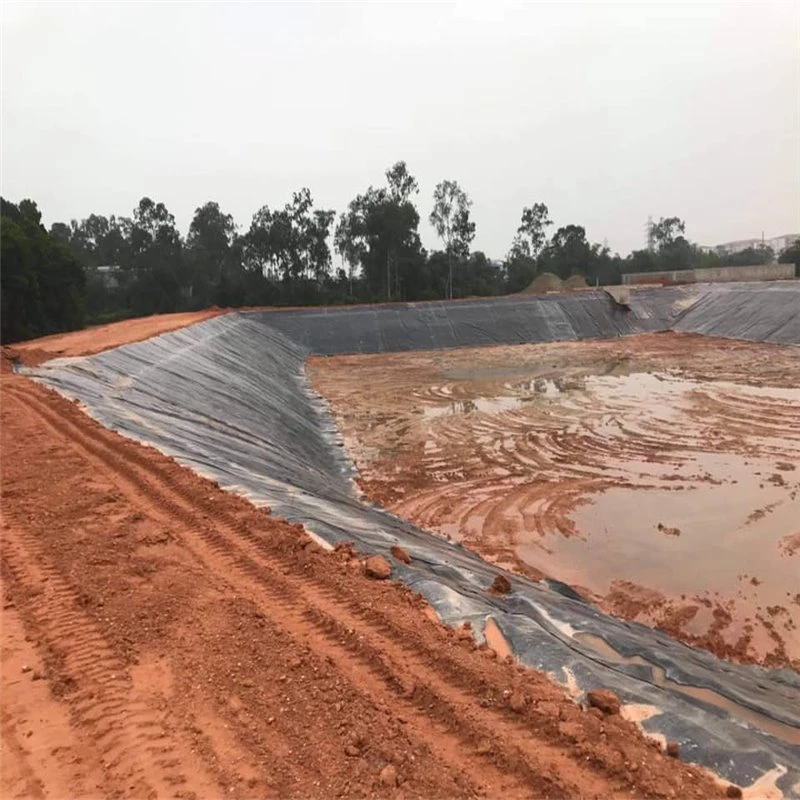

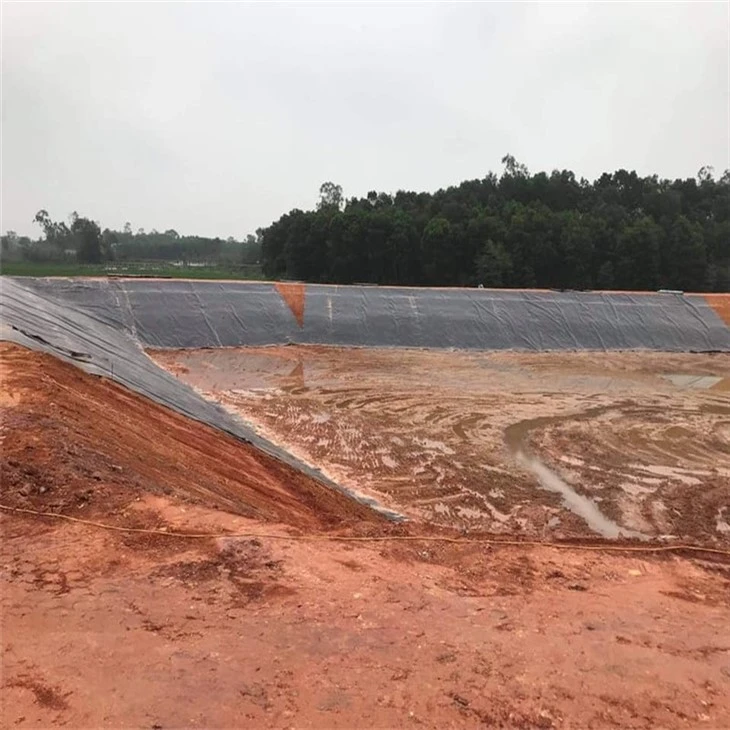
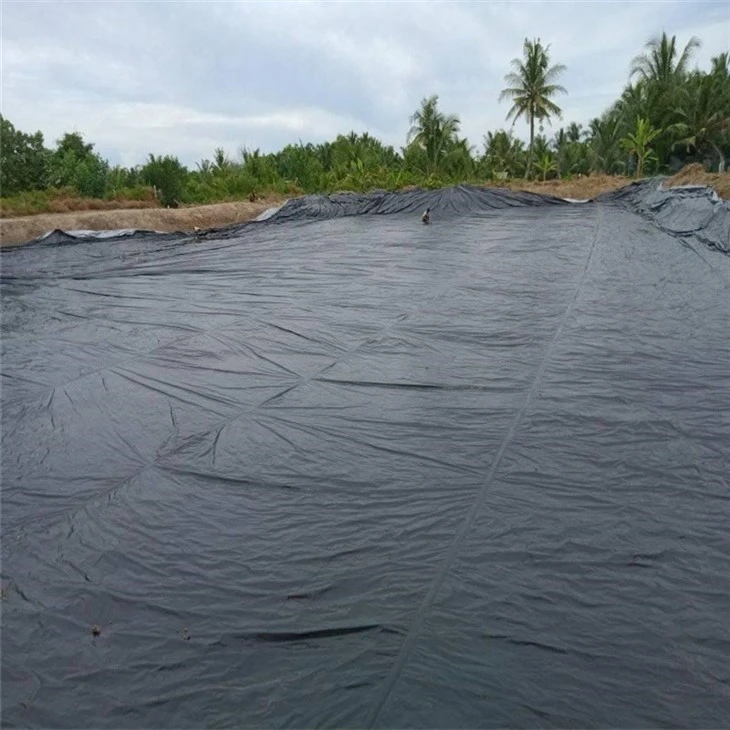
Geomembrane liners are important for projects in the environmental, mining, oil and gas, and waste transportation industries. A geomembrane liner offers a reliable and cost-effective solution for all your containment needs.
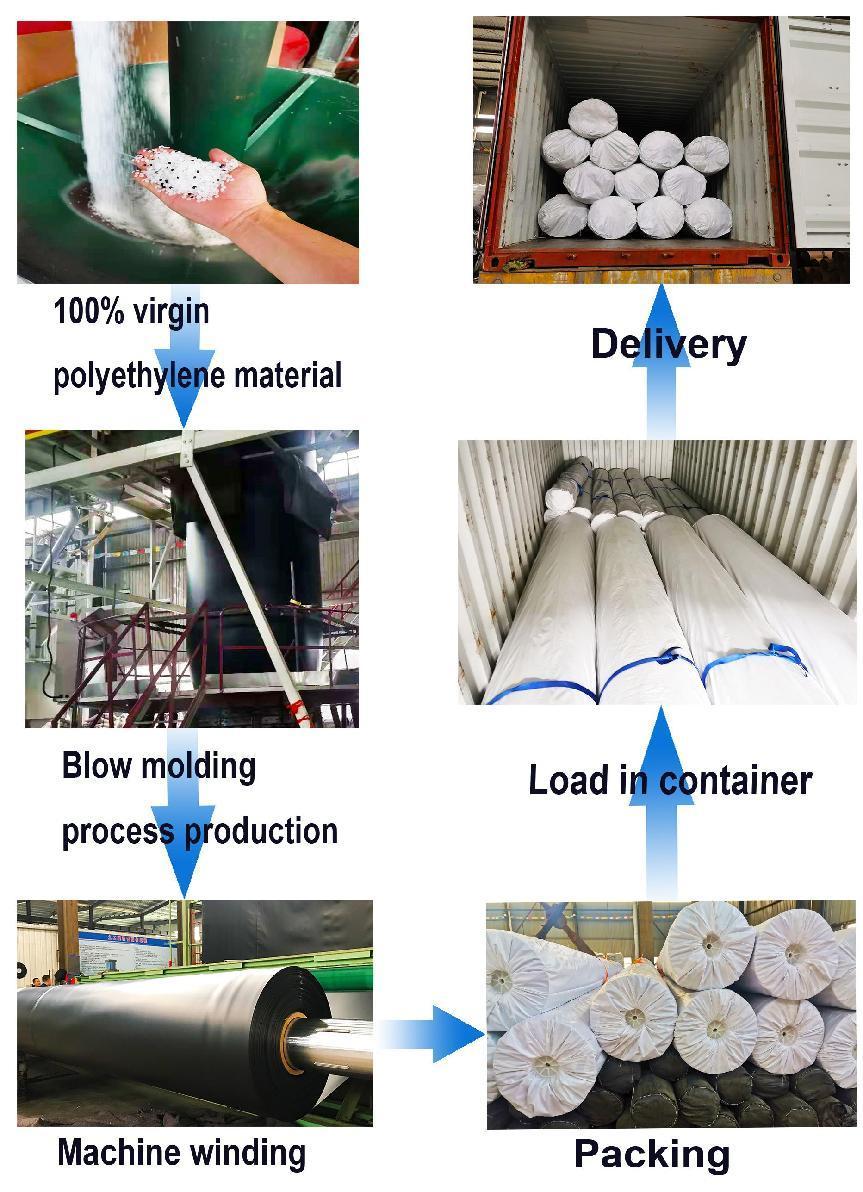
Geomembrane production
The first step in the production of HDPE geomembrane is the selection of raw materials. High-quality HDPE resin pellets are chosen as the primary raw material. These pellets are thoroughly inspected with state-of-the-art equipment to ensure their quality. High quality raw materials are key to producing a successful product as this will determine the consistency in thickness and tensile strength.
After the inspection of the raw materials is complete, the manufacturing process starts with the extrusion process. HDPE pellets are melted in a screw extruder to form a high-density polymer. The molten polymer is then extruded onto a flat surface in a continuous manner. This flat surface can be in the form of a calender machine or extrusion die depending on the manufacturing method selected.
A key aspect during the production process is to ensure that the HDPE geomembrane maintains its uniform thickness and density. This uniformity is critical to ensure that the geomembrane is robust enough to withstand environmental stresses such as extreme temperature fluctuations or UV radiation exposure.
After the continuous extrusion process is complete, the HDPE geomembrane goes through multiple quality control checks. Here, the thickness is measured, and any anomalies such as holes, punctures, or defects are detected, and the appropriate modifications are made to remove them. These quality control checks are crucial to ensure that the final product meets the specifications and industry standards.
Types of Geomembranes
Depending on the parent resin used several types of geomembranes are available. The most commonly used geomembranes are listed below.
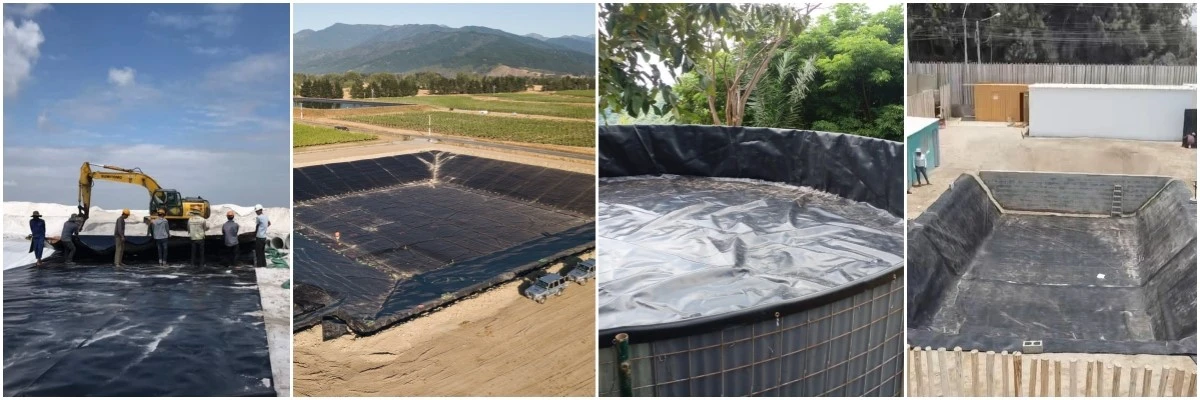
HDPE Geomembrane
HDPE (High-Density Polyethylene) is the most widely used geomembrane and is the preferred choice for lining projects due to its durability, strong UV resistance and relatively inexpensive material cost.
HDPE geomembranes are often selected for use in exposed applications such as landfills, reservoir caps, and pond and canal liners. This is due to low initial material costs and high chemical resistance. It is also available in thicker thicknesses not offered by other geomembrane types. HDPE geomembranes are extremely strong relative to their weight and can withstand high temperatures.
One of the best characteristics of this geomembrane is its chemical and UV resistance, making it suitable for large area applications where high quality installation is required. Additionally, HDPE is food safe, allowing it to be used in storage of potable water.
LLDPE Geomembrane
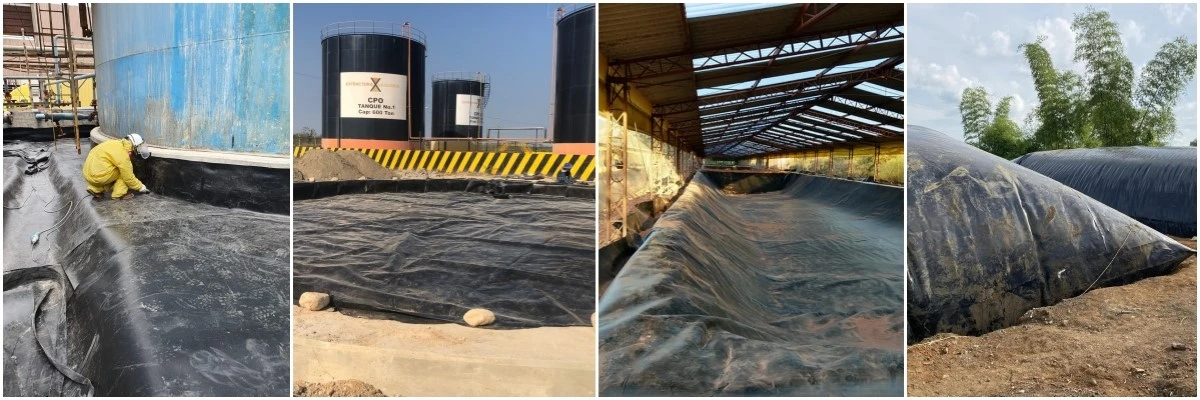
Linear low-density polyethylene (LLDPE) geomembranes offer more flexibility compared to HDPE, making them more appropriate for installers who require a waterproof geomembrane. It is manufactured with virgin polyethylene resins, which makes it resistant to low temperatures and ultraviolet exposure.
LLDPE geomembranes are also intended for long-term use and will remain strong and durable for years. Its best use is related to industrial applications, such as liquid storage tanks, environmental and animal waste containment.
PVC Geomembrane
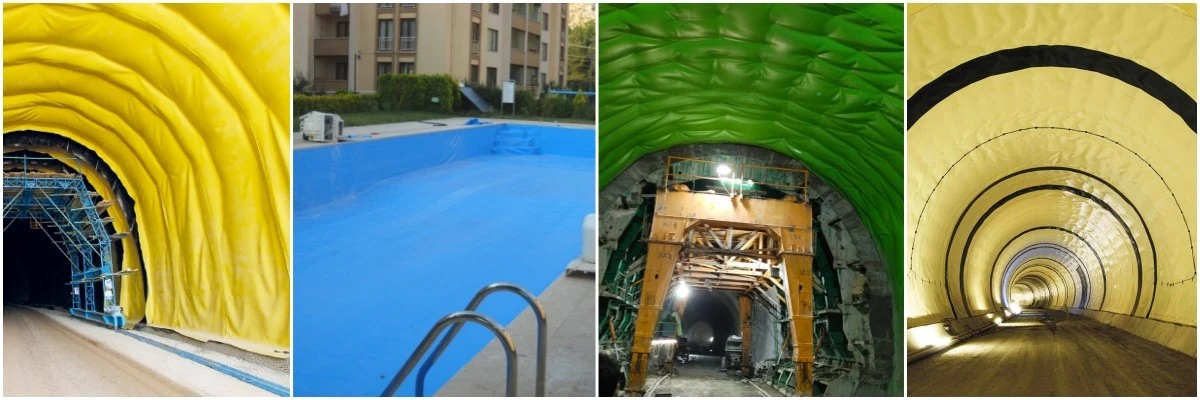
Polyvinyl Chloride (PVC) geomembranes is a thermoplastic waterproofing material made with vinyl, plasticisers and stabilisers. The polyvinyl chloride resin used for PVC geomembranes is made by cracking ethylene dichloride into a vinyl chloride monomer. It is then polymerized to make PVC resin.
It is resistant to tears, punctures and abrasion, which means the material is perfect for preventing contaminants from entering water sources and keeping water safe. PVC geomembranes are highly flexible and are best suited for landfills and canals, tank linings, soil remediation and wastewater lagoon linings.
EPDM Geomembrane
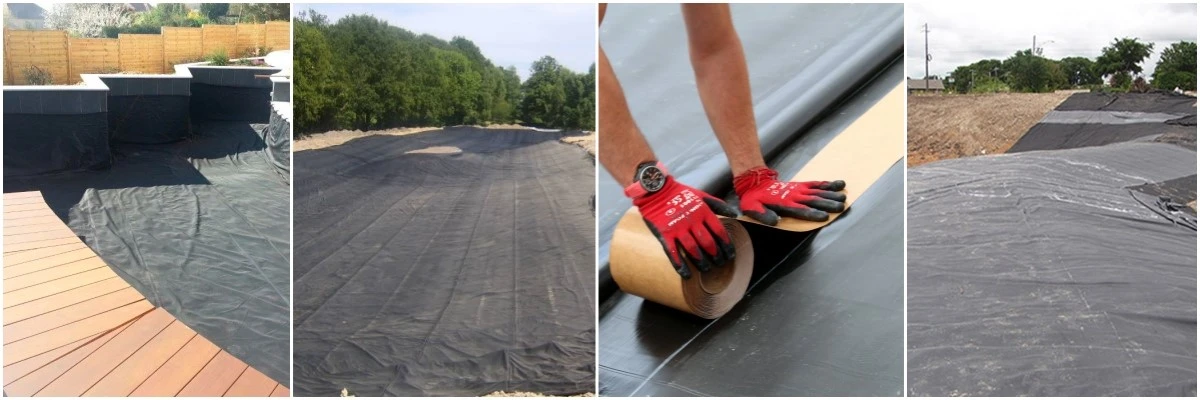
Ethylene propylene diene monomer (EPDM) geomembrane is a flexible and durable material that can withstand punctures and extreme weather conditions. It has a rubber-like texture and is stable to UV rays with great resistance.
EPDM geomembranes are typically used as surface barriers for dams and other irrigation sites. It's also easy to install, which is why backyard landscapers use this type of geomembrane. It is suitable for agricultural applications such as irrigation lakes, as well as cladding and roofing.
what other materials will be used together in landfill?
Landfill liners or geomembranes cannot work alone to contain hazardous waste. The geomembrane acts as a barrier between the waste and the surrounding environment, but it needs supporting materials to function correctly. Below are different materials that could complement the use of geomembranes in landfills.
1. Geotextiles
A geotextile is a permeable textile material made from polyester, polypropylene, or nylon. They are used to separate the soil from the geomembrane to prevent soil intrusion. Geotextiles also increase the friction angle between the soil and the liner, thus preventing slippage. They are also useful for filtering out soil particles that could clog the drainage system.
2. Geogrids
Geogrids are a type of geosynthetic material composed of high-density polyethylene and other synthetic polymers. They come in different types, including triangular, square, and rectangular grids. Geogrids provide tensile and shear reinforcement, making them ideal for reinforcing the soil under the geomembrane. They can also be used to support slopes in the landfill.
3. Drainage Net
Drainage nets or drainage composites are a combination of a geotextile and a drainage core. The drainage core is made up of high-density polyethylene sheets that have been bonded together to form a dimpled structure. They are used to promote drainage in the landfill by allowing water to flow through the core and into the drainage pipes. The geotextile layer then prevents soil particles from clogging the drainage core.
4. Geocomposites
Geocomposites are a combination of two or more geosynthetic materials bonded together to form a single product. They are used to perform multiple functions, including separation, filtration, drainage, and reinforcement. Geocomposites are useful in areas where installing separate geosynthetic materials is challenging.
5. Clay
Clay is an ideal material to use in combination with geomembranes in landfills. It provides an additional layer of protection to the geomembrane and can act as a natural barrier against pollutants. Clay liners can be installed at the base of the landfill to prevent leachate from penetrating the geomembrane. Clay can also be mixed with soil to provide additional stability.
6. Gravel
Gravel is used as a drainage layer in landfills. It is used to promote drainage and prevent the accumulation of water in the landfill. The drainage layer helps to prevent the development of anaerobic conditions that could lead to the production of methane gas.
7. Sand
Sand is used in combination with gravel to create a drainage layer that promotes the flow of water in landfills. It is also used to provide a stable surface for the installation of drainage pipes.
8. Bentonite
Bentonite is a natural clay material that swells when it comes into contact with water. It is commonly used to create a hydraulic barrier in landfills. The bentonite layer acts as an additional barrier against the migration of pollutants and contaminants. Bentonite can be mixed with soil to create an impermeable layer.
In conclusion, several materials can be used in combination with geomembranes to provide complete protection for landfills. The choice of materials depends on the specific requirements of each landfill project. Appropriate selection of supporting materials is essential to ensure that the landfill is safe and does not pose any risk to the environment and nearby communities.
Contact Information
Taian City Ruiheng Building Materials Co., Ltd
Address: NO.3566 Longquan Road, Tai'an Hi-tech Zone, Shandong Province, China
Website: www.rhgeomembrane.com
Email: lorna@rhgeos.com
Phone / Whatsapp / Wechat: 0086 187 6669 7769
Hot Tags: landfill HDPE geomembrane, China landfill HDPE geomembrane manufacturers, suppliers, factory


