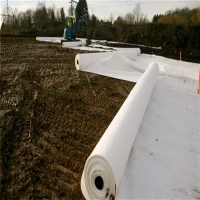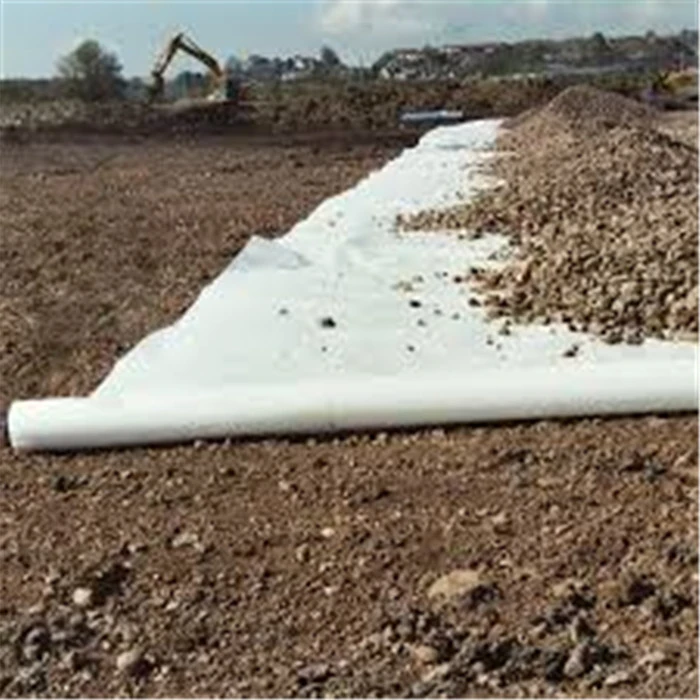

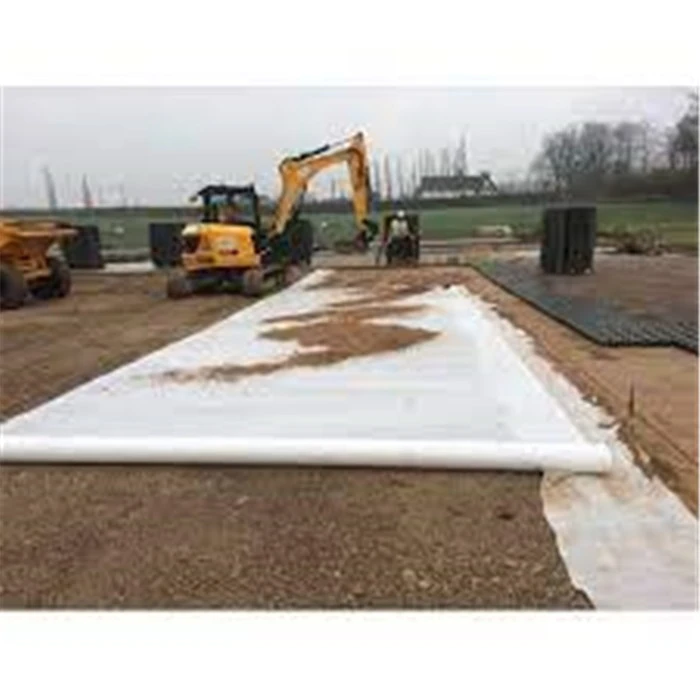

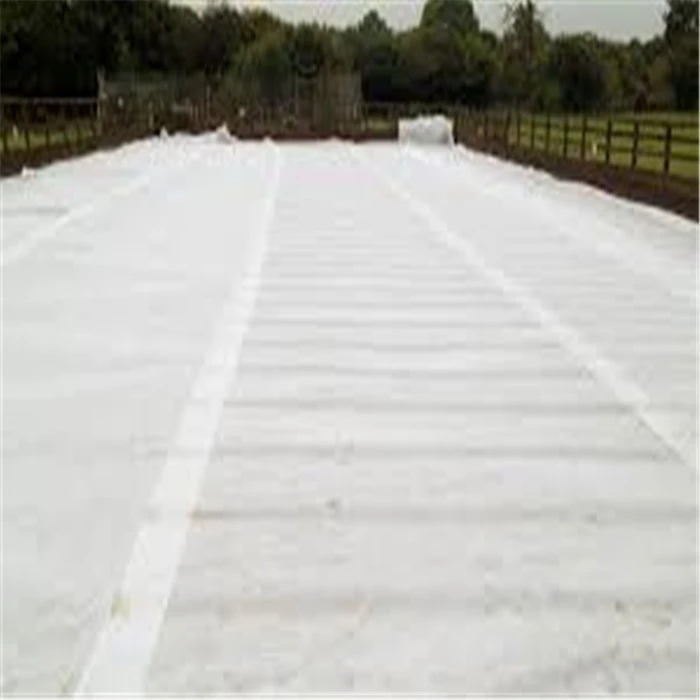

PP nonwoven geotextile is a specially designed fabric that is used as a separator and stabilizer in various construction and engineering projects. This type of geotextile is made using 100% virgin polypropylene, which makes it durable and resistant to degradation caused by exposure to harsh weather conditions, UV radiation, and chemicals.
What Is PP Non-Woven Geotextile Fabric?
PP nonwoven geotextile is a specially designed fabric that is used as a separator and stabilizer in various construction and engineering projects. This type of geotextile is made using 100% virgin polypropylene, which makes it durable and resistant to degradation caused by exposure to harsh weather conditions, UV radiation, and chemicals.
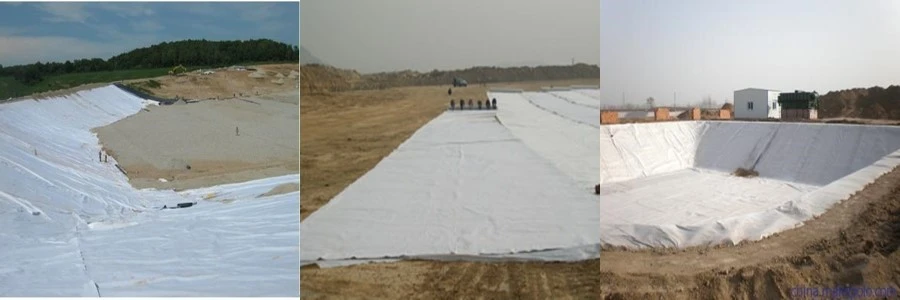
PP nonwoven geotextile is also used as a stabilizer in construction projects. When installed beneath a roadway, it helps in distributing the load evenly, which reduces the chances of rutting and potholes. This type of geotextile is also used in erosion control, particularly in shoreline restoration projects.
Can PP nonwoven geotextile be recycled?
The good news is that PP nonwoven geotextiles can be recycled. In fact, recycling is one of the best ways to dispose of these geotextiles as it helps reduce waste and conserve resources. The process of recycling PP nonwoven geotextiles involves breaking them down into their component fibers, which can then be used to produce new products.
One of the most significant advantages of recycling PP nonwoven geotextiles is that it helps to reduce the environmental impact of these materials. When these geotextiles are not disposed of properly, they can end up in landfills, where they take a very long time to decompose. Over time, this can cause significant environmental problems, such as soil contamination, water pollution, and greenhouse gas emissions.
By recycling PP nonwoven geotextiles, we can avoid these environmental problems and reduce the amount of waste that ends up in landfills. Additionally, recycling can help conserve natural resources by reducing the need for virgin materials. This is because the recycled fibers from these geotextiles can be used to produce other products, such as carpets, textiles, and packaging materials.
To recycle PP nonwoven geotextiles, the first step is to gather the waste material from construction sites, landfills, or other sources. The material is then sorted to remove any contaminants and impurities. Next, the material is shredded into small pieces and passed through a series of machines that break down the fibers into a usable form.
The recycled fibers can then be used to produce a wide range of products, including geotextiles, textiles, and nonwoven products. In fact, some of the largest manufacturers of PP nonwoven geotextiles, such as GSE Environmental, use recycled fibers to produce their products.
Recycling PP nonwoven geotextiles also offers economic benefits. For example, the cost of producing virgin materials is often far higher than the cost of recycling. This is because the production of virgin materials requires significant amounts of energy and resources, such as petroleum and water. By recycling, we can reduce these costs and make better use of our existing resources.
Furthermore, recycling creates jobs and encourages innovation. As more companies invest in recycling facilities and processes, new technologies and techniques are developed to improve the efficiency and effectiveness of recycling. This creates employment opportunities for those working in the recycling industry and helps to drive economic growth.
How the geotextile use together with geocell?
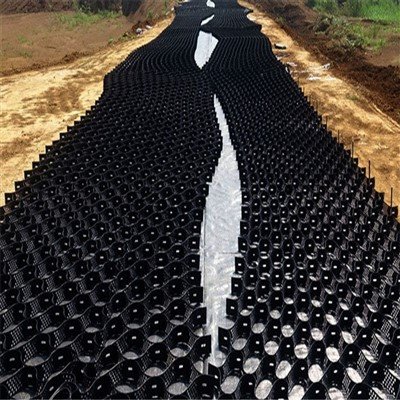
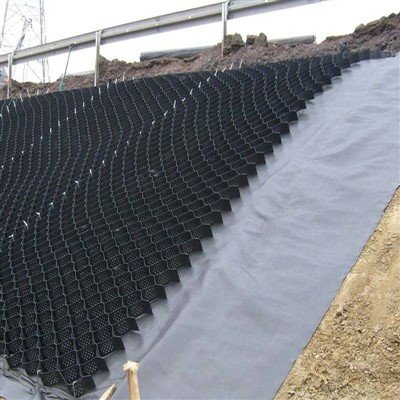
Geotextile can be used to line the geocell walls and base to prevent soil from escaping through the cell openings. This will help to ensure that the soil remains in place, which can help to prevent erosion and improve the stability of the soil.
Geotextile can also be used as a separator between the layers of soil that are placed inside the geocell. This will prevent the different layers from mixing together, which can help to improve the strength and stability of the soil.
Another way that geotextile can be used with geocell is as a filter. When water flows through the soil that is contained within the geocell, the geotextile can act as a filter to remove any impurities or particles from the water before it flows into the surrounding environment. This can prevent pollution and contamination of nearby water sources, which is important for protecting the environment and public health.
Geotextile can also be used as reinforcement for the soil inside the geocell. By placing layers of geotextile between each layer of soil, the overall strength and stability of the soil can be improved. This can allow the soil to support heavier loads without becoming deformed or unstable. This is especially important in infrastructure projects where heavy equipment or vehicles will be operating on the soil, such as in construction sites or temporary roadways.
In addition to reinforcing the soil, geotextile can also help to protect the soil from damage caused by external factors such as weather and erosion. By placing a layer of geotextile on top of the soil inside the geocell, the soil can be protected from direct exposure to sunlight, wind, rain, and other environmental factors that can cause it to erode or become compacted. This can help to prolong the life of the soil and improve its overall performance.
One of the key benefits of using geotextile and geocell together is that they are both highly durable and resistant to damage. Geotextile is made from high-quality materials that are designed to withstand the harsh conditions of outdoor environments, including extreme temperatures, moisture, and UV radiation. Geocell is made from HDPE, which is a strong and durable material that is highly resistant to damage from weather, chemicals, and impact.
Another advantage of using geotextile and geocell together is that they are both very easy to install. Geotextile can be cut to size and easily fitted into place, while geocell can be easily assembled and connected to form a stable and secure structure. This makes them ideal for use in a wide range of infrastructure projects, including road and rail construction, landfills, retaining walls, and drainage systems.
Geotextile and geocell are two geosynthetic materials that can be used together to enhance the performance and durability of various infrastructure projects. By using geotextile to reinforce, protect, and filter the soil inside the geocell, the overall strength and stability of the soil can be improved, which can help to prevent erosion and support heavier loads. The durable and easy-to-install nature of geotextile and geocell makes them an ideal choice for use in a wide range of applications, and they are both important tools in the field of geotechnical engineering.
How the geotextile use together with geomembrane?
The use of geotextile together with geomembrane is a common practice in engineering projects involving containment structures such as landfills, ponds, and reservoirs. Geotextiles are fabrics that are permeable to water, soil, and air but can prevent the mixing of different layers of soil or aggregate materials. They are widely used in geotechnical and environmental engineering applications, including reinforcement, filtration, drainage, separation, and cushioning.
On the other hand, geomembranes are impermeable membranes made of synthetic materials such as high-density polyethylene (HDPE), polyvinyl chloride (PVC), ethylene propylene diene monomer (EPDM), and chlorosulfonated polyethylene (CSPE). They are designed to act as barriers to liquid and gas migration, and they are used to prevent contamination of soil and groundwater, control water flow, and protect structures from corrosion and weathering.
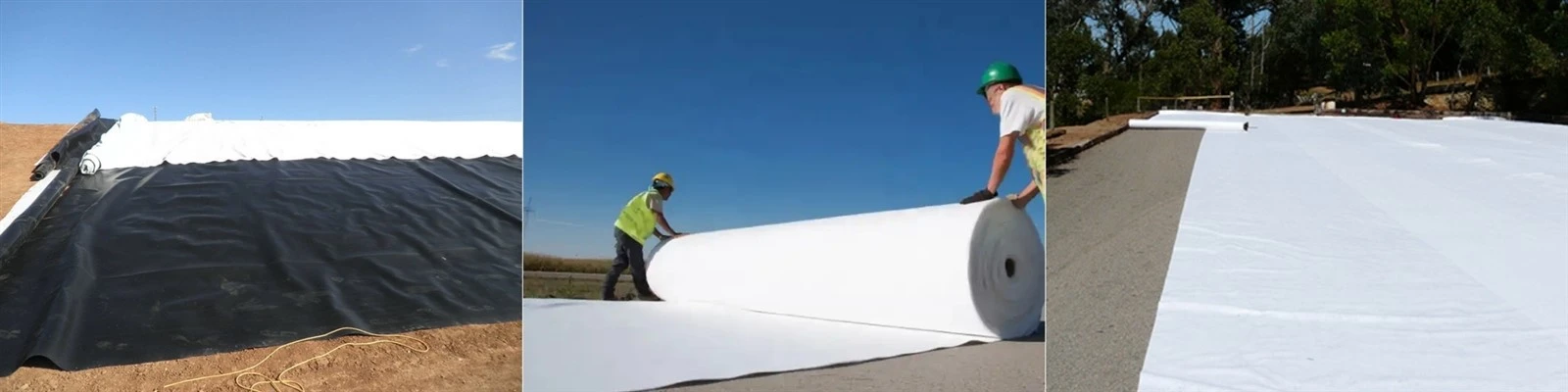
When used together, geotextiles and geomembranes can provide enhanced performance and longevity to containment structures. One of the main benefits of combining these materials is that geotextile can serve as a protective cushion and separator between the geomembrane and the subgrade or base course. This way, geotextile can prevent potential damage to the geomembrane caused by sharp objects, rough surfaces, or differential settlement. Moreover, geotextile can act as a drainage layer, allowing the water to flow freely and reducing the chances of hydrostatic pressure buildup.
The combination of geotextile and geomembrane can provide numerous benefits to containment structures, including protection, filtration, drainage, and reinforcement. The integration of these materials requires proper design, selection, and installation, as well as quality control and monitoring during construction and operation. By using geotextile and geomembrane together, engineers can ensure the performance and sustainability of the containment structures, protecting the environment and public health.
How to use it?
1. Surface preparation: The surface should be cleared of any debris, vegetation, or other materials that may interfere with the performance of the geotextile fabric.
2. Geotextile placement: The geotextile fabric should be placed on the surface and secured in place, either by using stakes or by burying it under a layer of soil or gravel.
3. Backfill: The geotextile fabric should be covered with a layer of backfill material, which should be compacted sufficiently to ensure maximum support and stability.
4. Layering: If necessary, multiple layers of geotextile fabric can be used to achieve the desired level of filtration, separation, and reinforcement.
PP Nonwoven Geotextile is an essential material for various applications that require high strength, durability, permeability, and cost-effectiveness. Its features and advantages make it an excellent choice for civil engineering, construction, agriculture, and landscaping projects. Proper installation and maintenance can ensure its long-term performance and sustainability.
PP Nonwoven Geotextile vS. PET Nonwoven Geotextile
1. Material properties: PP non-woven geotextile is made of polypropylene fibers, and PET non-woven geotextile is made of polyester fibers. PP fibers are wider and stronger, while PET fibers are thinner and more flexible.
2. Melting point: The melting point of PP fibers is higher than that of PET fibers. This makes polypropylene non-woven geotextiles more suitable for applications requiring high temperature resistance.
3. Cost-effectiveness: PP non-woven geotextiles are generally more cost-effective than PET non-woven geotextiles.
4. Environmental impact: Non-woven geotextiles made from PP and PET have minimal environmental impact compared to other materials such as concrete or steel. However, PP non-woven geotextiles are more environmentally friendly than PET non-woven geotextiles because PP is recyclable and degradable.
Both PP and PET nonwoven geotextiles offer many benefits, and choosing the right geotextile depends on the specific requirements of the project. The important thing is to ensure that the geotextile used is of high quality and meets the required standards and specifications.
In conclusion, whether it is PP nonwoven geotextile or PET nonwoven geotextile, both have their unique advantages and are widely used in a variety of construction and engineering applications. It is important to use high-quality geotextiles that meet the required standards to ensure success in any project.
|
Project Model |
100 |
150 |
200 |
250 |
300 |
350 |
400 |
450 |
500 |
600 |
800 |
Remarks |
|||||
|
Weight difference on unit area % |
-8 |
-8 |
-8 |
-8 |
-7 |
-7 |
-7 |
-7 |
-6 |
-6 |
-6 |
|
|||||
|
Thickness mm>= |
0.9 |
1.3 |
1.7 |
2.1 |
2.4 |
3.5 |
4.2 |
5.3 |
7.6 |
10.0 |
14.2 |
|
|||||
|
Width deviation % |
-0.5 |
||||||||||||||||
|
Breaking strength KN/m >= |
2.5 |
4.5 |
6.5 |
8.0 |
9.5 |
11.0 |
12.5 |
14.0 |
16.0 |
19.0 |
25.0 |
Longitudinal Transverse |
|||||
|
Elongation at break % |
25~100 |
||||||||||||||||
|
CBR-test KN >= |
0.3 |
0.6 |
0.9 |
1.2 |
1.5 |
1.8 |
2.1 |
2.4 |
2.7 |
3.2 |
4.0 |
|
|||||
|
Equivalent opening size (EOS) O90 mm |
0.07~0.2 |
||||||||||||||||
|
Coefficient of vertical permeability cm/s |
K×(10-1~10-3) |
||||||||||||||||
|
Tearing strength KN>= |
0.08 |
0.12 |
0.16 |
0.20 |
0.24 |
0.28 |
0.33 |
0.38 |
0.42 |
0.46 |
0.60 |
Longitudinal Transverse |
|||||
Contact Information
Taian City Ruiheng Building Materials Co., Ltd
Address: NO.3566 Longquan Road, Tai'an Hi-tech Zone, Shandong Province, China
Website: www.rhgeomembrane.com
Email: lorna@rhgeos.com
Phone / Whatsapp / Wechat: 0086 18766697769
Hot Tags: pp nonwoven geotextile, China pp nonwoven geotextile manufacturers, suppliers, factory