
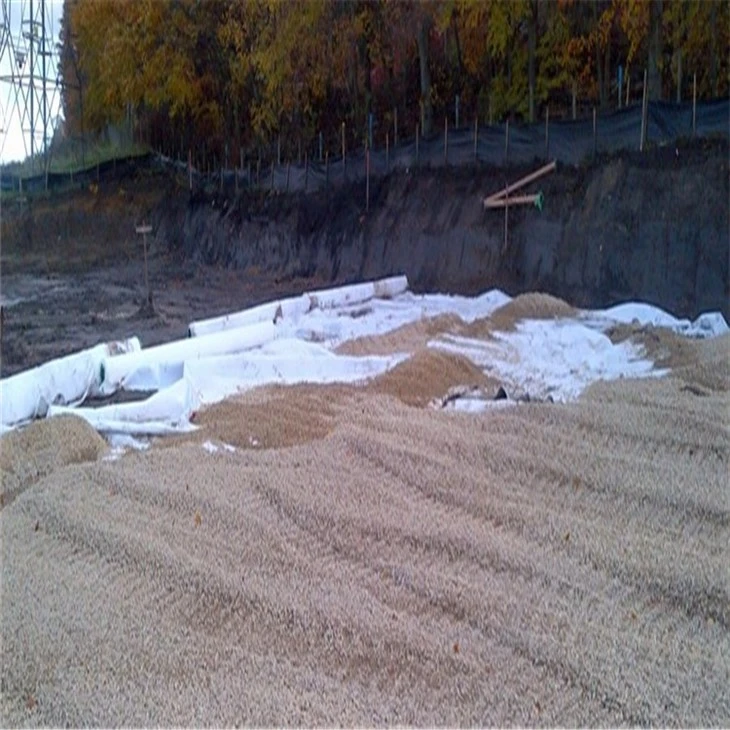
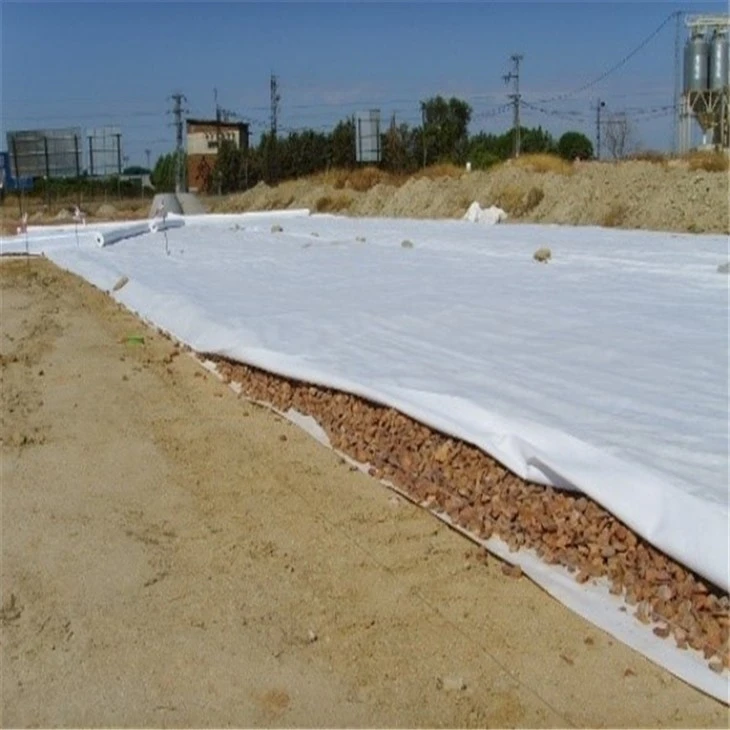
Geotextiles are usually made from synthetic polymer raw materials such as polypropylene (PP), polyester (PET) and processed by woven and needle punch non-woven methods.
What is Pet Nonwoven Needle Punched Geotextile
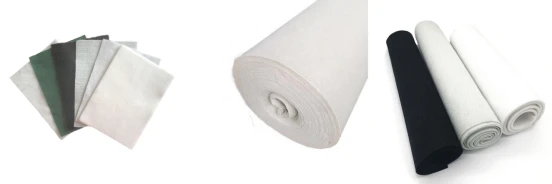
PET Nonwoven Needle Punched Geotextile Fabric is a continuous filament nonwoven needle punched polyester paving geotextile that provides stress relief, waterproofing, and reduces reflective cracking features on new and existing pavements. Designed with extreme weather conditions in mind, this product has undergone years of testing and refinement to provide the best overall performance. The unique properties of these geotextiles provide waterproofing and stress relief for pavement structures. Due to the high melting temperature of polyester (PET), the properties of the geotextile are not affected by the application of hot asphalt or asphalt.
v
− Separation
Paved and unpaved roadway applications are stabilized when the geotextile is placed at the subgrade/aggregate interface.
− Filtration
TRST nonwoven geotextiles provide superior hydraulics property and soil retention, making them ideal for filtration in subsurface drainage systems
− Cushioning
The nonwoven geotextile lessens the impact to the road structure when placing at the subgrade/aggregate interface.
Application
Geotextile nonwovens are made from staple or continuous yarns. Continuous filament and staple fibers are used for separation, reinforcement, filtration, drainage, moisture control, etc. in offshore road and railway reclamation, roadsides, railway sides, river and canal embankments and embankments. Materials can perform a variety of specialized tasks, including filtration, drainage, separation, reinforcement, and erosion control.
Drainage:
Geotextiles are used to passively transport liquid or gas components. Only geotextiles perform drainage tasks. However, they are often integrated with additional components such as drainage cores and perforated pipes. Utilize needle-punched geotextiles in combination with other materials to improve drainage capacity. Drainage geocomposite is the name given to this combination.
Filtration:
Non-woven materials are utilized to retain small soil particles. This method prevents small particles from escaping or leaching. This was invented in his mid-1960s and is probably the method most frequently used in geotextiles.
These include filtration layers of embankments, river channels, coasts, concrete slopes, and retaining walls. It blocks the passage of clay particles while allowing water and gases to pass freely.
Separation:
Isolation of railway debris and roadbeds, roadbeds and soft ground, airfield and parking surfaces and ground sills, and various dam materials. Isolates soil and gravel in two different granule paths from ground sills and other buildings.
A nonwoven fabric is used to separate two soil layers with different particle size distributions. This helps avoid pumping fine-grained subgrade soil into permeable granular road foundations. Prevents her two adjacent layers of the structure from blending. Non-woven separators are required to ensure long-term performance of the structure.
Reinforcement/Roofing:
Distributes soil stress, prevents lateral sliding, and improves the stability of soil bodies for use in highways, railways, earth and stone dams, breakwaters, airports, backfilling soil for retaining walls, slope protection, etc. It is also used as a waterproof substrate in the roofing industry.
Geotextiles are used to strengthen soft soils to increase their ability to support more weight. One of the frequently used applications in the field of road engineering is reinforcement. Using non-woven fabrics can reduce stress levels in the foundation soil. This is because vertical loads can cause horizontal shear strains. Non-woven fabrics reduce strength by distributing the load over a wide area.
Protection :
It prevents the bank from being washed out, protects the bank and the bottom, prevents the water and soil from being washed away.
Liquid Barrier:
The nonwoven geotextiles’ open structure enables it to be saturated with clay particles, which fill the spaces inside the geotextile’s structure and prevent liquids from passing through.
Controlling Erosion:
Nonwoven materials serve as both a drainage layer and a separator. However, when its primary purpose is to help reduce erosion, it is given a unique classification. The market for nonwoven geotextiles is substantially larger and includes soil erosion management.
What Is Nonwoven Geotextile Fabric?
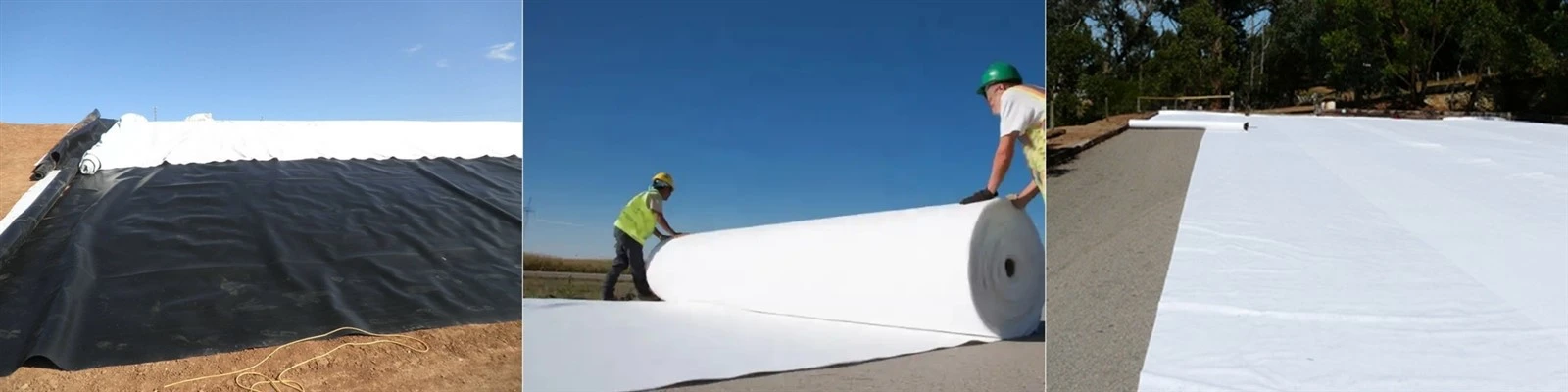
Geotextile nonwovens are strong, durable, non-biodegradable synthetic materials used in landscaping, engineering, and drainage applications. Made from heat-bonded polypropylene or polyester fibers that are needle-punched in a random pattern to create a resilient fabric with the look and feel of felt. Nonwoven geotextiles are not only made to act as barriers between soil and water, gravel, rocks, sand, etc., but can also be used in a variety of applications such as riprap, french drains, drainage ditches, etc. . These fabrics provide better drainage than woven fabrics, making them ideal for areas that experience excessive moisture or flooding.
Landscaping and engineering projects benefit from the use of nonwoven geotextiles. Nonwoven geotextiles can be used to strengthen roads, driveways, and trails by adding strength and stability beneath asphalt layers or concrete pavers. This prevents sinkholes from forming when heavy vehicles drive over soft soil without a protective layer.
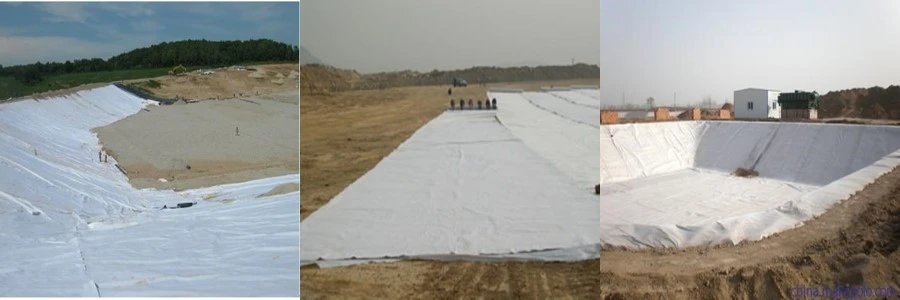
FAQ
What is the use of geotextile?
Before constructing embankments, roads, pipelines, and earth-retaining structures, geotextiles are frequently employed to improve the soil’s properties. Filtration, drainage, strengthening, cushioning, waterproofing, and separation are just a few of the uses for geotextiles.
Why is nonwoven fabric used?
Nonwovens can be extremely durable or have a short lifespan for one application. Nonwoven materials serve a variety of purposes, including sterility, bacterial barriers, resiliency, stretch, softness, strength, flame retardancy, washability, cushioning, and liquid repellency.
Is Geotextile Waterproof?
An eco-friendly material with great waterproof and anti-seepage properties is geotextile fabric.
How long does nonwoven geotextile last?
Nevertheless, different treatments and mixing can extend its longevity to up to 20 years.
Contact Information
Taian City Ruiheng Building Materials Co., Ltd
Address: NO.3566 Longquan Road, Tai'an Hi-tech Zone, Shandong Province, China
Website: www.rhgeos.com
Email: lorna@rhgeos.com
Phone / Whatsapp / Wechat: 0086 187 6669 7769
Hot Tags: polypropylene filament geotextile, China polypropylene filament geotextile manufacturers, suppliers, factory