Products Description
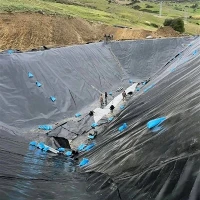
The different-thicknesses-of-geomembranes is one of their key performance indicators, usually ranging from 0.5 mm (20 mil) to 3.0 mm (120 mil) or even thicker. The choice of thickness is not arbitrary, but needs to be comprehensively considered according to the specific engineering application, environmental conditions, expected loads (such as covering soil pressure, equipment rolling, potential puncture risk) and design life requirements. Thicker geomembranes (such as 1.5 mm or 2.0 mm or more) generally have stronger puncture resistance, higher tensile strength and better long-term durability (more resistant to laying damage, chemical erosion and stress cracking), and are suitable for the final cover of landfills, hazardous waste storage, large liquid pool lining or complex and harsh foundation conditions, etc., where the barrier integrity and service life are extremely high. Relatively thin geomembranes (such as 0.75 mm or 1.0 mm) are lower in cost, easier to transport and lay, and are often used for temporary covers, secondary impermeable layers, projects with lower requirements for evaporation control or projects with good foundation conditions and small loads. Therefore, selecting the appropriate thickness is a critical design decision to ensure that the geomembrane barrier system operates effectively, economically, and reliably over the long term.
|
different thicknesses of Geomembranes Test |
Unit |
Standard |
Test |
RH75 |
RH10 |
RH15 |
RH20 |
RH30 |
|
|
Mechanical Properties
|
Thickness |
mm |
D5199 |
per roll |
0.75 |
1.00 |
1.50 |
2.00 |
3.00 |
|
Density |
g/cc |
D1505/D792 |
90,000 kg |
0.94 |
|||||
|
Tensile Properties |
D 6693 |
||||||||
|
· yield strength |
kN/m |
Type IV |
9,000 kg |
11 |
15 |
22 |
29 |
44 |
|
|
· break strength |
kN/m |
20 |
27 |
40 |
53 |
80 |
|||
|
· yield elongation |
% |
12 |
12 |
12 |
12 |
12 |
|||
|
· break elongation |
% |
700 |
700 |
700 |
700 |
700 |
|||
|
Tear Resistance |
N |
D 1004 |
20,000 kg |
93 |
125 |
187 |
249 |
374 |
|
|
Puncture Resistance |
N |
D 4833 |
20,000 kg |
240 |
320 |
480 |
640 |
960 |
|


Applications
Thicker geomembranes
Thicker geomembranes (usually 1.5 mm / 60 mil and above, such as 2.0 mm / 80 mil or even 3.0 mm / 120 mil) are widely used in critical projects with extremely high requirements for barrier integrity, safety and service life due to their excellent puncture resistance, high tensile strength and excellent long-term durability (effectively resisting laying damage, chemical erosion and stress cracking):
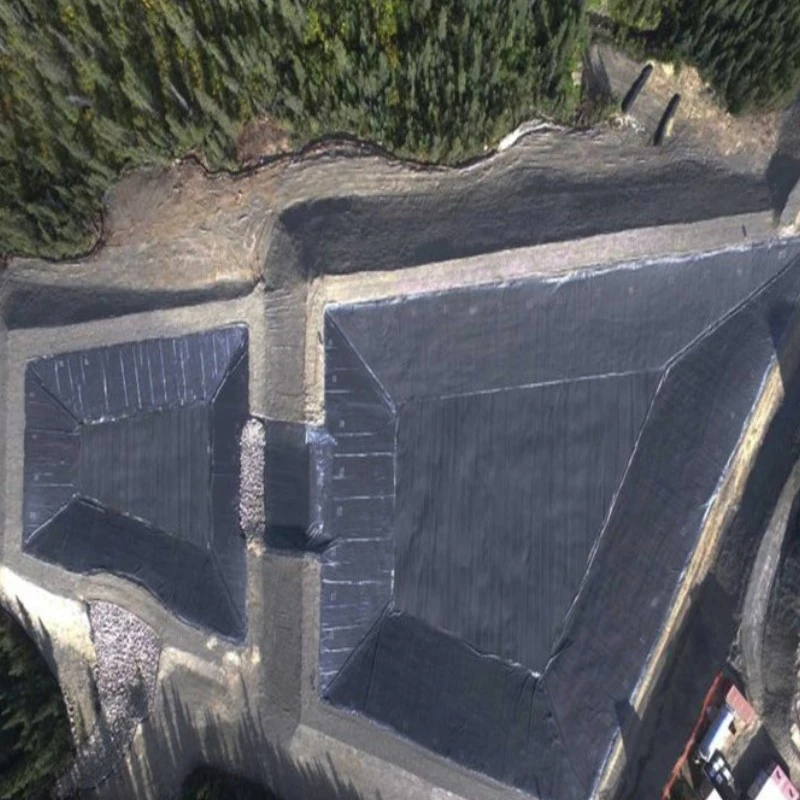
Landfill final cover system: As the top impermeable layer, it bears the pressure of the covering soil, potential puncture of plant roots, and blocks rainwater infiltration and landfill gas escape for a long time.
Hazardous waste storage/contaminated site capping: Isolating toxic and hazardous substances (such as heavy metals, chemical solvents, radioactive pollutants) to prevent them from migrating and contaminating soil and groundwater, requiring extremely high sealing reliability and chemical stability.
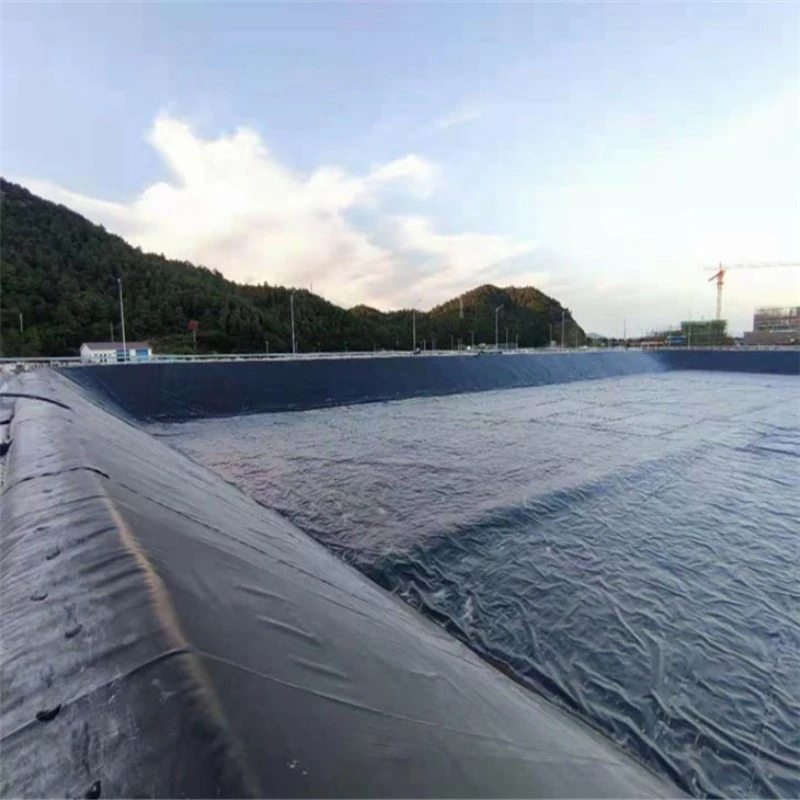
Liners for large liquid storage tanks (including wastewater, leachate, and chemical liquids): withstand liquid static pressure and possible chemical corrosion to prevent leakage and contamination of foundations and groundwater, especially when used to store corrosive or high-risk liquids.
Projects with complex and demanding foundation conditions: such as covering or lining with sharp gravel, significant uneven settlement, or high-stress areas.
Seepage prevention for critical infrastructure (such as tunnels and underground reservoirs): occasions requiring extremely high long-term reliability and low permeability.different-thicknesses-of-geomembranes
Relatively thin geomembranes
Relatively thin geomembranes (usually in the range of 0.75 mm / 30 mil to 1.0 mm / 40 mil) are often used in relatively low-demand, small-load, or temporary scenarios due to their lower cost and more convenient transportation and laying advantages:
Temporary covering: such as dust prevention in earthwork yards at construction sites and temporary covering in landfill operation areas (to prevent rainwater infiltration and odor diffusion).
Secondary anti-seepage layer: as a secondary line of defense in a composite liner system, or to protect the primary anti-seepage layer (such as clay layer, thicker HDPE).
Evaporation control with lower requirements: such as covering agricultural reservoirs and small evaporation ponds to reduce water evaporation losses and salt diffusion.
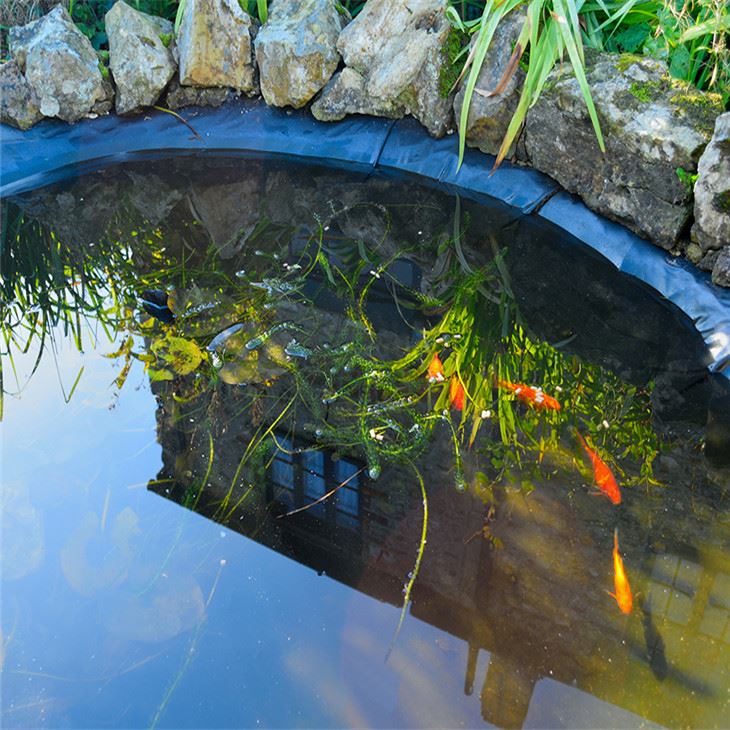
Projects with good foundation conditions and small loads: such as landscape pools, artificial lakes (no risk of heavy machinery rolling), and simple rainwater collection pool liners.
Temporary pollution control: short-term coverage of lightly polluted soil to prevent dust and rainwater erosion.different-thicknesses-of-geomembranes
Therefore, accurately matching the thickness of the geomembrane with the application requirements, environmental risks, load conditions and design life of a specific project is a key element to ensure the best performance, economic benefits and long-term reliability of the entire anti-seepage or capping barrier system.
Contact
Tai'an City Ruiheng Building Materials Co., Ltd
● Address: NO.3566 Longquan Road, Tai'an Hi-tech Zone, Shandong Province, China
● Website: www.rhgeomembrane.com
● Email: bonnie@rhgeos.com
● Phone / Whatsapp / Wechat: 0086 188 5482 2179
Hot Tags: different thicknesses of geomembranes, China different thicknesses of geomembranes manufacturers, suppliers, factory