


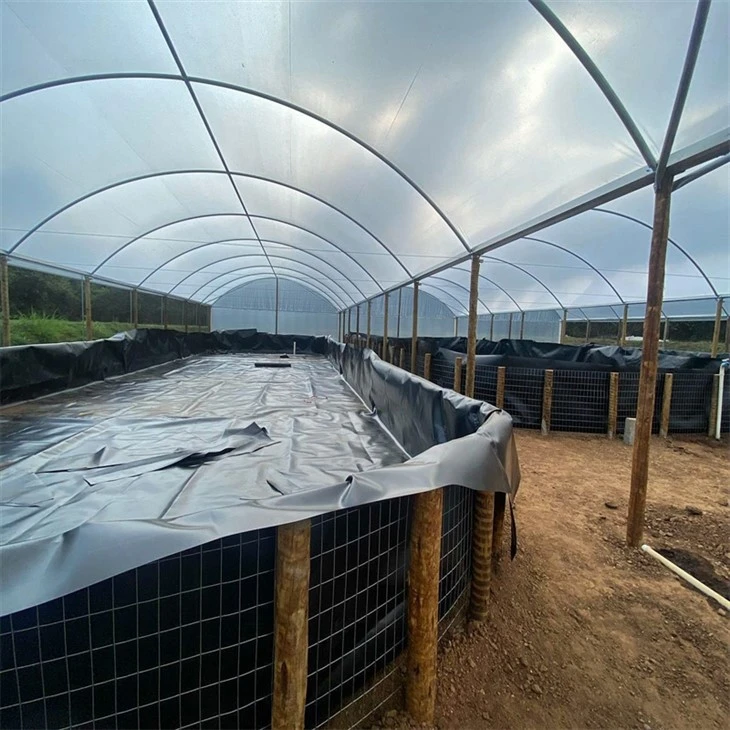
Tailing dams liner
Products Description
|
Tested Property |
Test Method |
Frequency |
Minimum Average Value |
|||||
|
Thickness, (minimum average) mm |
ASTM D 5199 |
every roll |
0.75 |
1.0 |
1.5 |
2.0 |
2.5 |
3.0 |
|
Density, g/cm3 |
ASTM D 1505 |
every 5th roll |
0.94 |
0.94 |
0.94 |
0.94 |
0.94 |
0.94 |
|
Tensile Properties (each direction): |
||||||||
|
Strength at Break, N/mm-width |
ASTM D 6693, Type IV |
every 5th roll |
21 |
28 |
43 |
57 |
71 |
85 |
|
Strength at Yield, N/mm-width |
11 |
15 |
23 |
30 |
38 |
45 |
||
|
Elongation at Break, % |
G.L. 51 mm (2.0 in) |
700 |
700 |
700 |
700 |
700 |
700 |
|
|
Elongation at Yield, % |
G.L. 33 mm (1.3 in) |
13 |
13 |
13 |
13 |
13 |
13 |
|
|
Tear Resistance, N (lb) |
ASTM D 1004 |
every 5th roll |
93 (21) |
125 (28) |
187 (42) |
249 (56) |
311 (70) |
373 (84) |
|
Puncture Resistance, N (lb) |
ASTM D 4833 |
every 5th roll |
263(59) |
352(79) |
530(119) |
703(158) |
881(198) |
1,059 (238) |
|
Carbon Black Content, % |
ASTM D 1603 / D 4218 |
every 5th roll |
2.0-3.0 |
2.0-3.0 |
2.0-3.0 |
2.0-3.0 |
2.0-3.0 |
2.0-3.0 |
|
Notched Constant Tensile Load, hrs |
ASTM D 5397, Appendix |
90,000 kg |
400 |
400 |
400 |
400 |
400 |
400 |
|
Oxidative Induction Time, minutes |
ASTM D 3895, 200° C; O2, 1 atm |
90,000 kg |
>100 |
>100 |
>100 |
>100 |
>100 |
>100 |
|
TYPICAL ROLL DIMENSIONS |
||||||||
|
Roll Length, m |
280 |
210 |
140 |
105 |
85 |
70 |
||
|
Roll Width, m |
7.0/8.0 |
7.0/8.0 |
7.0/8.0 |
7.0/8.0 |
7.0 |
7.0 |
||
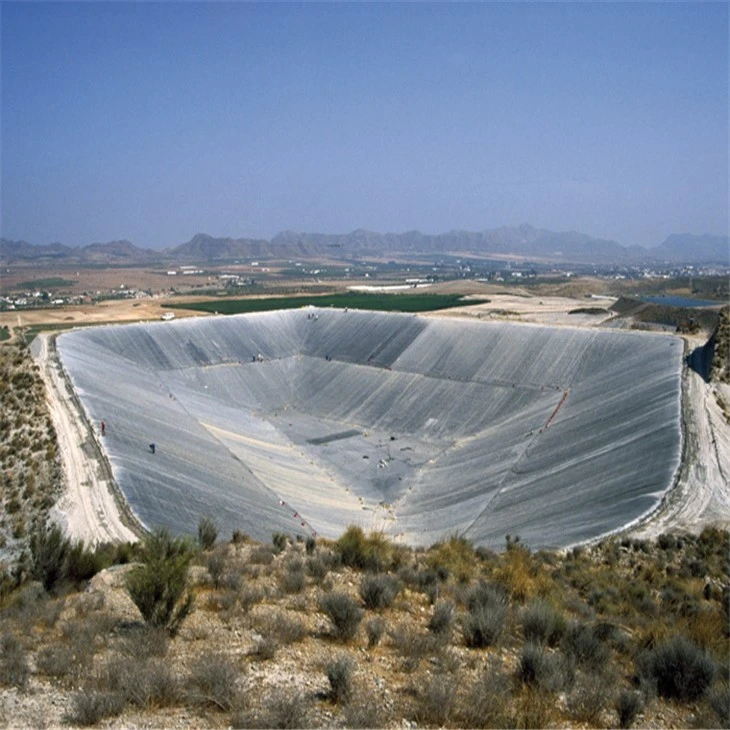
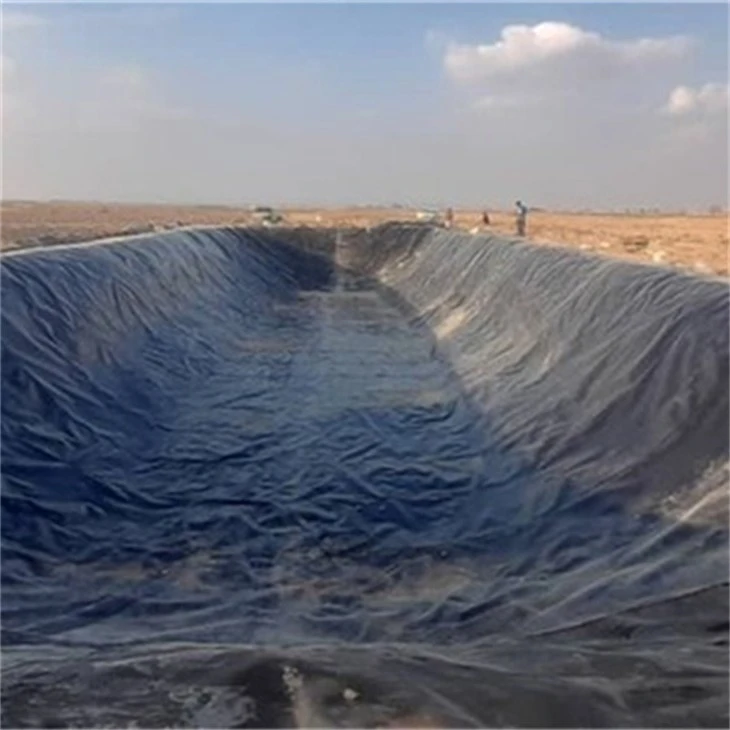
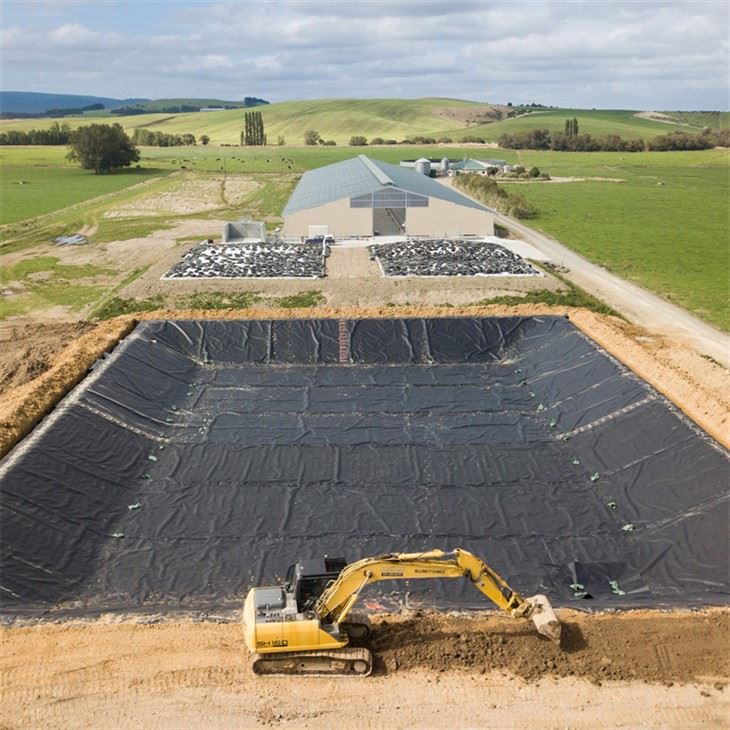
Tailing dams are an essential part of the mining industry, providing a safe and secure way to store waste materials. These dams play a crucial role in environmental protection, ensuring that toxic waste does not leach into natural water sources.
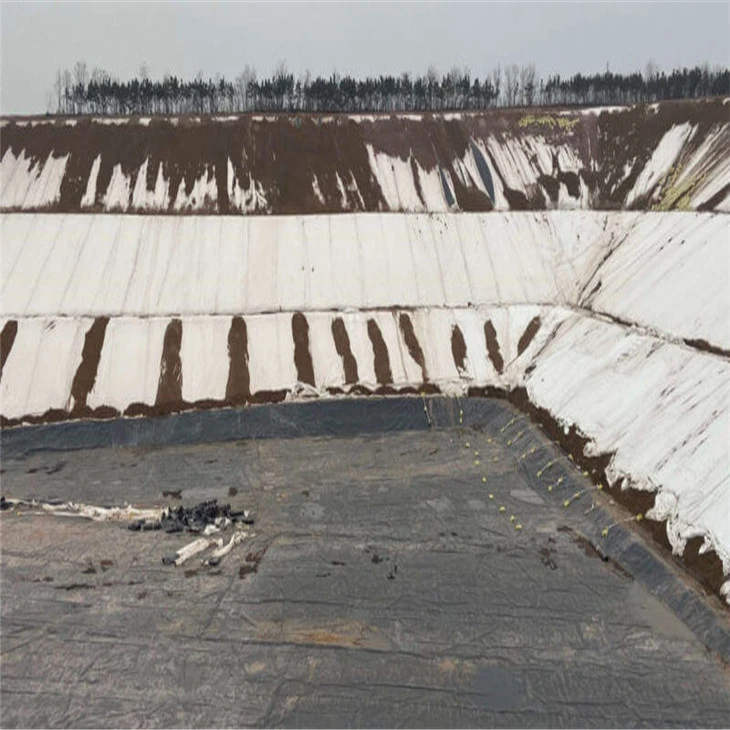
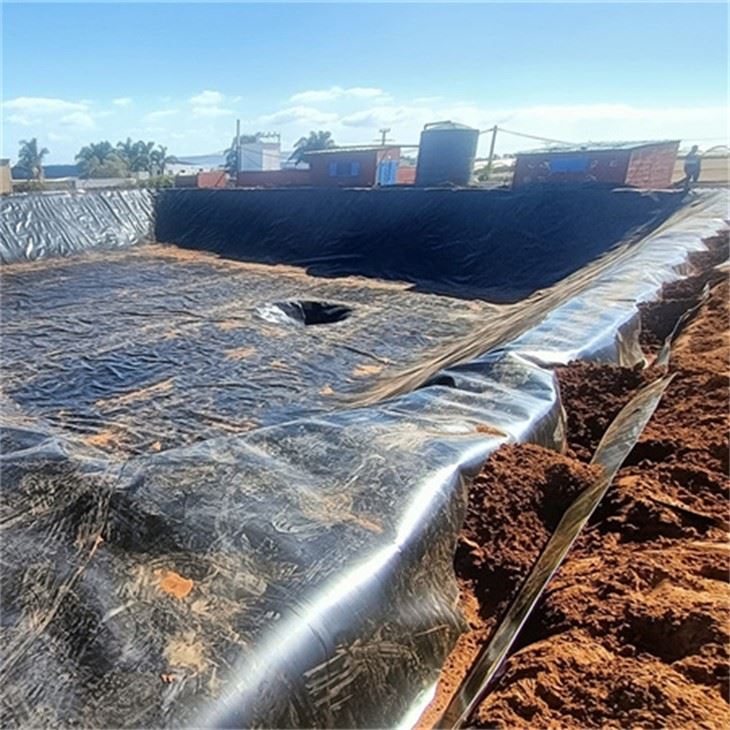
One key component of tailing dams is the geomembrane lining, which serves as a protective barrier between the waste materials and the surrounding environment. This durable and impermeable membrane helps prevent any leakage or seepage of waste into the ground or nearby water bodies.
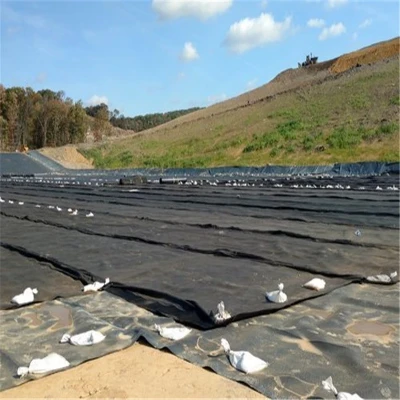
Advancements in geomembrane technology have made them an effective and reliable solution for tailing dams. These membranes are designed to withstand harsh environmental conditions, including extreme temperatures, UV radiation, and chemical exposure.
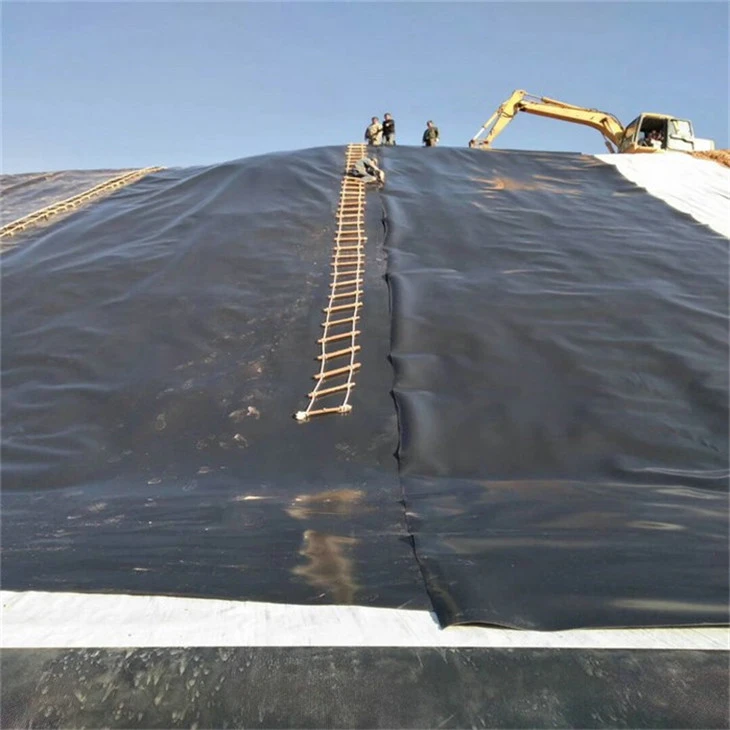
In addition to their durability and reliability, geomembranes are also cost-effective and easy to install. They require minimal maintenance, making them an ideal solution for remote mining sites where access to resources and personnel may be limited
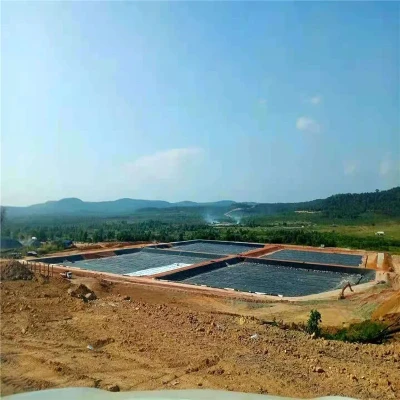
Tailings dams are structures used by the mining industry to store waste materials generated during the mining process. These structures are designed to contain large amounts of tailings, which contain hazardous chemicals that could pose environmental risks. Therefore, it is crucial to prevent these wastes from leaching into the environment.
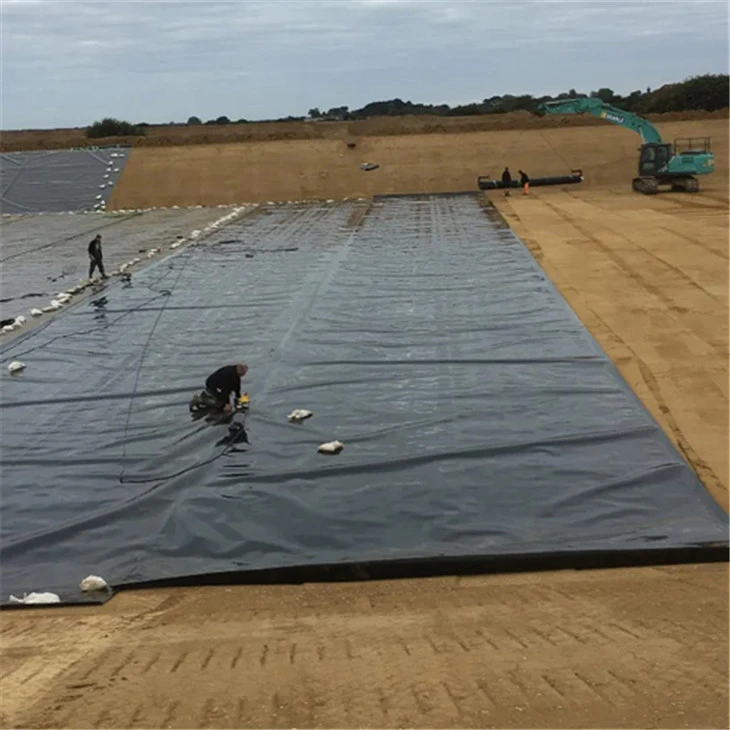
Geomembranes are made of high-density polyethylene or other synthetic polymers and form a barrier between the tailings dam and the environment. The durability and effectiveness of these liners have been proven through years of experience in various industries, including mining.
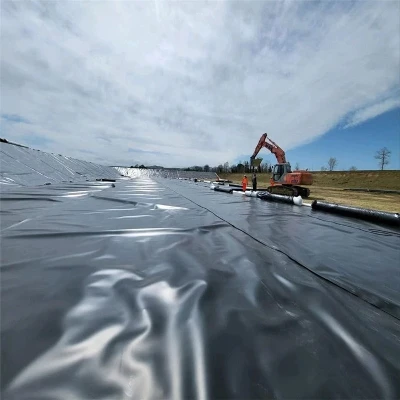
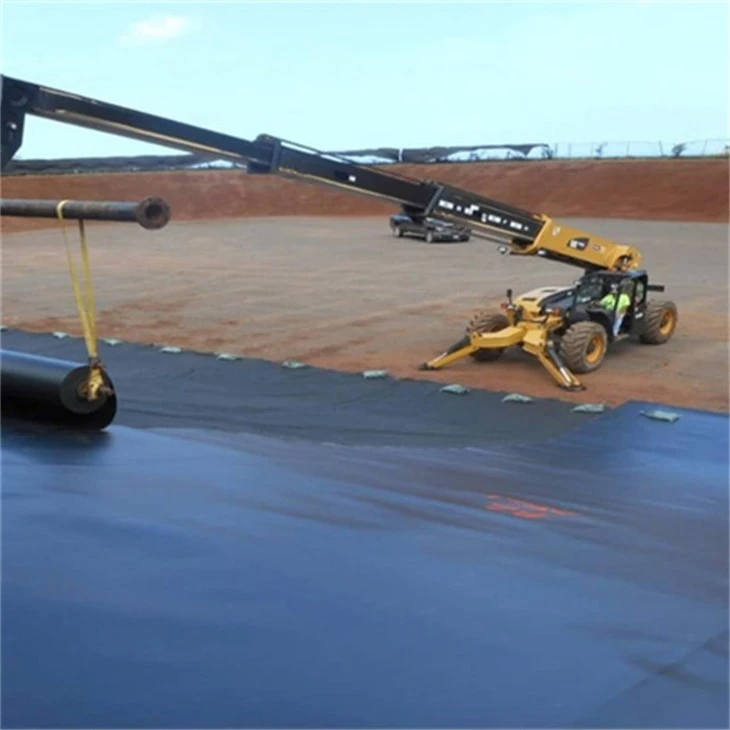
geomembranes are relatively easy to install compared to other solutions. These liners can be prefabricated or installed on site, making the process faster and more cost-effective. This quick installation time also helps prevent further environmental damage caused by tailings dams.
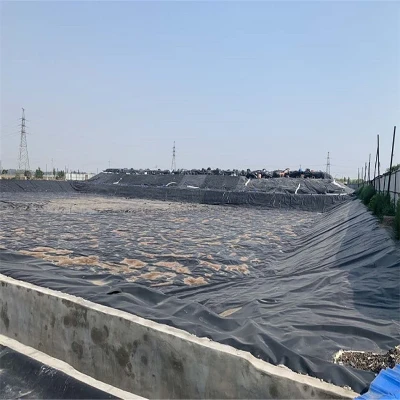
geomembranes are a low-maintenance solution that can last for decades, reducing the need for frequent repairs and replacements. This increases the cost-effectiveness of the solution.
Geomembranes are an effective solution for tailings dam management. Their durability, ease of installation, low maintenance and cost-effectiveness make them ideal for the mining industry. They provide a reliable way to protect the environment and communities surrounding these buildings.
Characteristic
Tailing dams liner characteristic


1. Resistant to chemicals: HDPE liner is resistant to a wide range of chemicals, including acids, alkalis, and hydrocarbons.
2. UV-resistant: HDPE liner is resistant to UV radiation, which makes it ideal for use in areas with high levels of sunlight exposure.
3. Stable under extreme temperatures: HDPE liner can withstand extreme temperatures and remain stable.
4. Flexible: HDPE liner is highly flexible and can conform to irregular surfaces.
5. Strong and durable: HDPE liner is strong and durable, which makes it resistant to punctures and tears.
6. High tensile strength: HDPE liner has high tensile strength, which means it can withstand heavy loads and pressure.
7. Lightweight: HDPE liner is lightweight, which makes it easy to transport and install.
8. Waterproof: HDPE liner is waterproof, which makes it ideal for lining ponds, reservoirs, and other water containment structures.
9. Prevents soil erosion: HDPE liner can prevent soil erosion by stabilizing the soil and preventing water from seeping through.
10. Excellent barrier properties: HDPE liner has excellent barrier properties, which means it can prevent the migration of liquids and gases.
11. Resistant to root penetration: HDPE liner is resistant to root penetration, which makes it ideal for use in landscaping and horticulture.
12. Easy to weld: HDPE liner is easy to weld, which makes it easy to install and repair.
13. Long-lasting: HDPE liner has a long lifespan, which makes it a cost-effective solution.
14. Recyclable: HDPE liner is recyclable, which makes it an environmentally friendly choice.
15. Low maintenance: HDPE liner requires very little maintenance, which reduces costs and downtime.
16. Versatile: HDPE liner can be used in a variety of applications, including landfill liners, secondary containment systems, and wastewater treatment plants.
17. Resistant to impact: HDPE liner is resistant to impact, which means it can withstand heavy traffic and machinery.
18. Compatible with other materials: HDPE liner is compatible with other materials, which makes it easy to integrate into existing structures.
19. Resistant to oxidation: HDPE liner is resistant to oxidation, which means it can withstand long-term exposure to air and water.
20. Safe for the environment: HDPE liner is safe for the environment and does not release any harmful chemicals or toxins.
Our Advantage
Geomembranes are used in many construction and environmental projects such as landfills, mining and wastewater treatment. They act as a waterproof barrier, preventing the leakage of liquids and gases. The thickness of a geomembrane is a key factor in determining its effectiveness in different projects. Here are some basic tips for choosing the right geomembrane thickness for a specific project.
First, consider the type of fluid or gas that the geomembrane will be exposed to. Different liquids and gases have different chemical and physical properties that may affect the durability of the geomembrane. For example, landfills and waste control facilities require high-density polyethylene (HDPE) geomembranes in thicknesses of 60 mils and above to prevent hazardous waste leakage.
01
Second, assess the slope and topography of the project site. Geomembranes used on steep slopes and high traffic areas require thicker materials to reduce the risk of punctures and tears. The topography of the site will also determine the optimal thickness of the geomembrane to prevent heaving and sliding.
02
Third, the size and scope of the project is another key factor to consider. Larger projects, such as groundwater remediation projects, may require thicker geomembranes and additional reinforcement layers to withstand the high water pressure of the surrounding soil.
03
Finally, budget constraints and project timelines may also affect geomembrane thickness selection. Thicker materials are generally more expensive and may require a more labor-intensive installation process, increasing the overall project cost. However, investing in a high-quality, appropriately-thickness geomembrane can save money in the long run by reducing maintenance and repair costs.
04
In summary, selecting the appropriate geomembrane thickness is critical to the success of any construction or environmental project. Thoroughly analyze site conditions, project scope, and budget constraints to make an informed decision. It is crucial to work with an experienced contractor who can help you choose the best geomembrane thickness for your project.
05

Packing & Delivery
HDPE Geomembrane Packing and Delivery
1. The products are usually tied with packing tape.The packaging size and container capacity of the product are different from the product specifications
2. Container transportation, according to your project request.
3. Port: Qingdao, China.

FAQ
Q: 1. What is a geomembrane?
Q: 2. What is a tailing dam?
Q: 3. Why is a geomembrane used in tailing dams?
Q: 4. What are the benefits of using a geomembrane in tailing dams?
Q: 5. What types of geomembranes are used in tailing dams?
Q: 6. How are geomembranes installed in tailing dams?
Q: 7. What are the maintenance requirements for geomembranes in tailing dams?
Q: 8. How long do geomembranes typically last in tailing dams?
Q: 9. Are geomembranes an effective solution for tailing dam management?
Q: 10. What are the environmental benefits of using geomembranes in tailing dams?
Tai'an City Ruiheng Building Materials Co., Ltd
● Address: NO.3566 Longquan Road, Tai'an Hi-tech Zone, Shandong Province, China
● Website: www.rhgeomembrane.com
● Email: lorna@rhgeos.com
● Phone / Whatsapp / Wechat: 0086 187 6669 7769
Hot Tags: tailing dams liner, China tailing dams liner manufacturers, suppliers, factory


